
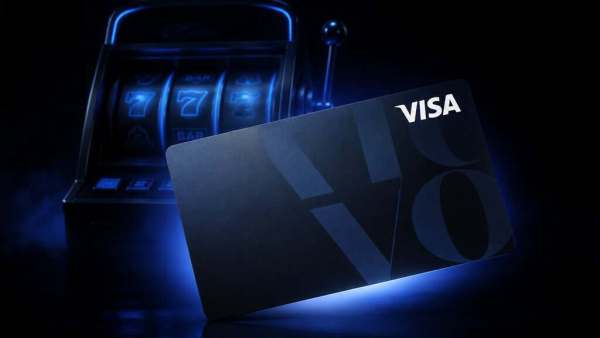
A new fintech card designed and marketed as “Buy Now, Pay Maybe” sometimes lets users avoid purchase charges.
The company behind the product, Tuyo, claims it is “the card that might not charge you.” Tuyo is operated by Tuyo Inc., a U.S. fintech company incorporated in Delaware.
In a May 7 announcement, Tuyo says the card works at 175 million locations and has over 50,000 users.
Critics say the payment product uses psychological tactics, such as unpredictable rewards from slot machines and loot boxes, to gamify spending on everyday items like a cup of coffee.
Tuyo Claims ‘Buy Now Pay Maybe’ Isn’t Gambling
Amid online backlash, Tuyo said on the social media platform X that “Buy Now, Pay Maybe” is not gambling.
However, it said that “an algorithm grants free purchases to maximize customer happiness.”
Tuyo says there is no debt since users need cash balances for purchases. The company also says there are no overdrafts.
That may sound OK, but these legal details do not remove public-health concerns.
The Slot Machine Is The ‘Maybe’
The most troubling word in the product is “maybe.”
Maybe your small or large purchase is free. Maybe nothing happens. This uncertainty can influence user engagement and be extraordinarily harmful.
Unpredictable rewards are central to gambling products. Slot machines use variable-reward schedules, so users never know when they’ll win. This can also trigger chasing losses.
That unpredictability can keep people engaged even when they are losing or spending money.
Tuyo users may develop compulsive habits. They’re not told the odds or likelihood of free purchases.
Regulators Should Pay Attention
Regulators should act before this model spreads.
At a minimum, regulators should require products like “Buy Now, Pay Maybe” to disclose:
- The odds or frequency of free purchases
- Whether higher spending increases a user’s chance of receiving a free purchase
- Whether the algorithm favors certain transaction types, merchants, users, or behaviors
- Whether users can opt out of the gamified feature
- Whether the company tracks behavioral responses
“Buy Now, Pay Maybe” poses a consumer-protection issue.