
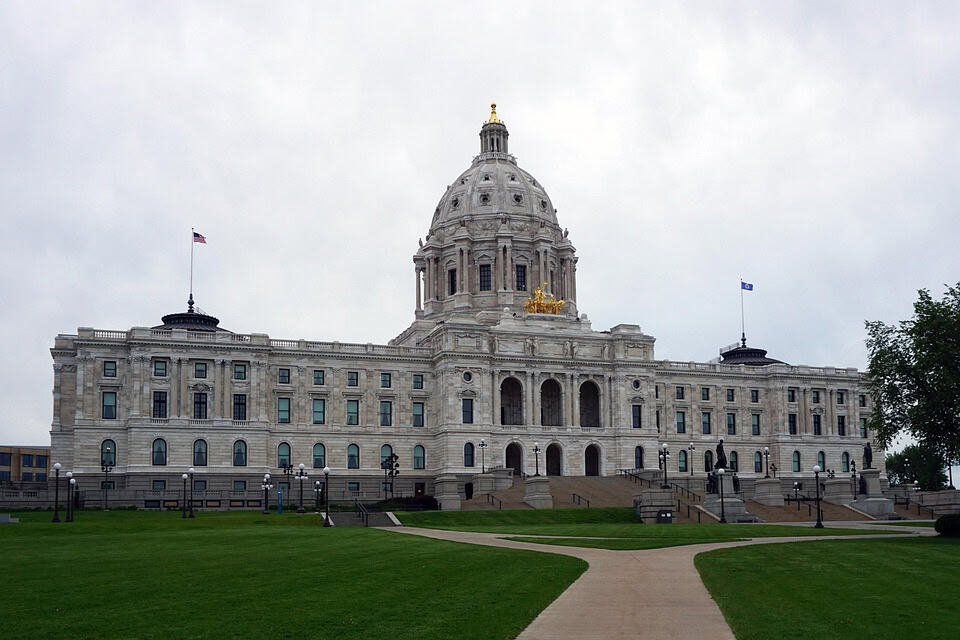
Sports betting is not legal in Minnesota, and soon prediction markets may also face a ban.
A Minnesota lawmaker who has been a longtime advocate for consumer protection is now leading legislation to crack down on so-called “prediction markets.”
The Minnesota Senate on April 30 passed Senate File 4511, authored by Sen. John Marty, DFL-Roseville, in a 56-10 vote. The bill would ban prediction markets such as Kalshi and Polymarket and still awaits action in the Minnesota House of Representatives.
The bill would make it a felony to create, operate, manage, control, or facilitate a prediction market in Minnesota. It also would make it a felony to advertise or market products that promote prohibited prediction-market transactions. If enacted, the criminal provisions would take effect Aug. 1, 2026.
MN Prediction Markets Bill Teased in December
“We’re certainly open to a bill,” Marty told GamblingHarm.org in a December 2025 interview. Marty, who has sponsored other gambling-related legislation, added that Minnesota could also sue to try to stop the controversial sports betting platforms.
“We must stop prediction markets from taking over here if the federal courts won’t stop them,” Marty said. “Prediction market sports betting is illegal and clearly gambling.”
That legislative fight is now underway.
“We are working to stop prediction markets in Minnesota,” Marty said in an April 30 press release. He added that “prediction markets are nothing more than gambling.”
What’s in the Minnesota Prediction Markets Bill
Marty’s press release said the bill would cover betting markets tied to sports, casino-style gambling, people, elections, catastrophes, and death. The bill text also covers individual player statistics, games of skill, war, disasters, legal actions, short-term weather events, popular culture events, and so-called “mention markets,” where users bet on whether someone will make a particular statement.
The House has also moved. On the same day the Senate passed SF 4511, the Minnesota House voted to add a prediction-market ban to a broader public safety policy package through an amendment offered by Rep. Emma Greenman, DFL-Minneapolis.
The House public safety package passed 116-16, while Greenman’s prediction-market amendment was adopted 72-59. Because the House amended the package, it must return to the Senate for concurrence.
“The prediction market ban has now passed with bipartisan support in the House and Senate,” Greenman said in a press release. She called prediction markets “shadowy prediction gambling markets.”
Greenman also said lawmakers must address the “explosion of gambling on almost anything.”
Pressure Mounting
On Dec. 19, online gambling giant DraftKings launched its new sports betting product, DraftKings Predictions, in numerous states where it didn’t already offer mobile sports betting, which included Minnesota. DraftKings said at launch that event contracts would be available across 38 states, including sports event contracts in certain states where online sports betting was not legal.
Other prediction markets, most notably the early market leader Kalshi, are currently allowing Minnesotans to gamble on sports despite no state law authorizing such gambling.
Fanatics also launched Fanatics Markets, saying Minnesota was among the states where its prediction-market product was launching soon. FanDuel has since launched FanDuel Predicts, which says it is available nationwide, though markets vary by state.
Prediction markets, which grew in popularity in 2025, have a controversial Commodity Futures Trading Commission registration that enables them to facilitate a stock-market-style form of online sports gambling. Critics say the CFTC has turned a blind eye to illegal sports betting, an activity taxed and regulated by states.
Minnesota regulators and lawmakers are trying to close that loophole. The state bill would clarify that a “wager” includes a prediction market contract when the parties agree to a gain or loss of money, property, or benefit.
Minnesota Would Follow New York
In November, New York Assemblyman Clyde Vanel, a Democrat from Queens, introduced a bill to regulate prediction markets. His legislation, which seeks to ban prediction markets from taking sports bets in New York, was the first of its kind to combat the nascent U.S.-facing platforms.
According to Victor Rocha, Conference Chair at the Indian Gaming Association, there are “rumblings” of a similar bill in California, which banned sweepstakes casinos — another controversial form of online gambling — in late 2025.
“Those rumblings about prediction market legislation in California are getting louder,” Rocha wrote online on Dec. 8. He declined to elaborate when contacted by GamblingHarm.org.
Other Prediction Market Ban Bills
In early 2026, Hawaii and Iowa introduced bills to deal with the rise of prediction markets.
However, Minnesota is among the states moving most aggressively. The Minnesota Senate passed its prediction-market bill with broad bipartisan support, and the House added similar language to its public safety package.
State bills have an uphill battle, according to gaming attorney Daniel Wallach.
“State legislative efforts to ban or regulate prediction markets seem a bit premature with so many pending court cases addressing whether state laws can be applied to such activities,” Wallach wrote on LinkedIn on Dec. 19 following the DraftKings Predictions launch.
“Until that issue is settled in the federal courts — which could take several years — state legislation would likely not be very effective. The future of sports prediction markets will ultimately be decided by the Courts or Congress, not state legislatures.”
That warning still applies. Prediction-market operators argue that only federal commodities regulators can police their products. But Minnesota lawmakers are now trying to make clear that state gambling law still applies when prediction markets operate like online betting.
Is Sports Betting Legal in Minnesota?
Despite the launch of prediction markets, house-banked sports betting remains illegal in Minnesota.
The legal cloud around prediction markets doesn’t turn Minnesotans into criminals if they use these platforms. There could be a future in which prediction market operators face civil or criminal exposure.
What Minnesotans should be concerned about is that prediction markets can be highly addictive and financially harmful. Like all forms of gambling, users will most likely lose money in the long run. Prediction market fees result in users experiencing a significant negative return.
Marty said that sports betting lobbyists are using prediction markets to pressure Minnesota into legalizing traditional house-banked sports betting. He doesn’t believe those lobbying efforts will be successful in Minnesota in 2026.
Legal Sports Betting Lobbying in Minnesota
For years, sports betting lobbyists have failed to convince Minnesota lawmakers that legalized sports betting is a good idea. In 2024, Marty tried to thwart industry-friendly legislation by introducing his own version with stronger regulation. The industry fiercely opposed his legislation.
“Prediction markets are the same argument they made with offshore betting,” Marty said of the sports betting industry’s use of foreign gambling sites as a scare tactic to push for legalization.
While offshore gambling sites are predatory, legal sports betting leads to a rise in population-level financial harm and is associated with higher crime rates. Half of online bettors experience issues with their play.
The rise of prediction markets won’t help declining public opinion of sports betting. In Minnesota, it has now pushed lawmakers in both chambers to move toward a direct ban.