
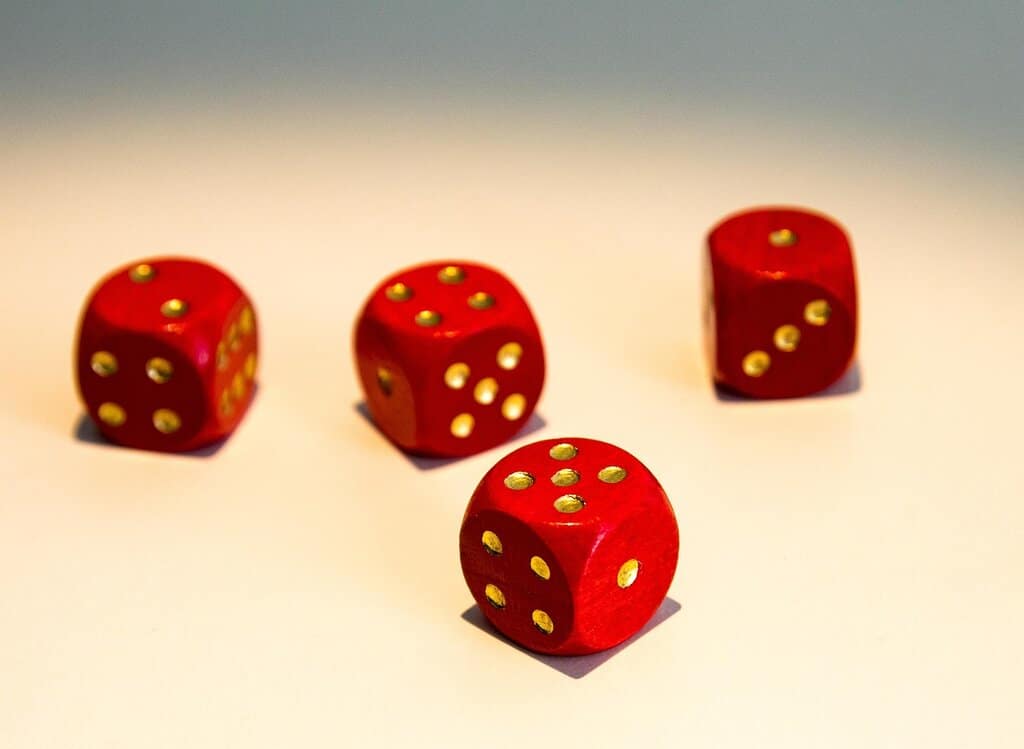
Problem gambling is gambling despite negative consequences and a wish to stop.
Problem gambling is a broad concept and can differ from gambling disorder, which has defined clinical criteria. Harmful behaviors can occur without qualifying for a clinical addiction diagnosis.
Problem gambling varies in severity and may be called “at-risk” gambling if it falls below the clinical threshold.
You may encounter terms like compulsive or pathological gambling. These are outdated but still used by some.
Bottom line: You may have a gambling problem if you experience any adverse impacts on your mental, physical, and/or financial health related to gambling.
Signs of Problem Gambling
There are numerous signs, which can include:
- Preoccupation with gambling
- Belief in gambling-related myths
- Inability to quit
- Chasing losses
- Lying to conceal gambling
- Risking relationships, job, or career opportunities
- Borrowing, stealing, or amassing gambling debt
- Suicidal ideation related to gambling
Recognizing the diversity of ways problem gambling can emerge is essential. Importantly, all forms of gambling have the potential to lead to problematic behavior.
Problem gambling experiences vary by mental health, age, socioeconomic status, and gambling type. For example, online sports betting has a greater addiction prevalence than some other gambling forms, such as Mega Millions and Powerball.
I Can’t Stop Thinking About Gambling
Constantly thinking about past gambling experiences, planning your next gambling session, or thinking of ways to acquire money to gamble.
With online sports betting, obsession may lead to frequent device checking—even in inappropriate or risky situations. For example, using a device while driving is extremely dangerous.
In addition to potential financial harm, a gambling obsession can lead to sleep issues, heart problems, and poor physical health.
Why Can’t I Stop Gambling?
Gambling products have addictive properties, making it difficult for many to quit, especially cold turkey.
Repeated failed attempts to control or stop gambling are a sign of problem gambling.
Initially, someone may succeed in stopping gambling. Over time, breaks often become shorter and less frequent as problems progress. Restlessness or irritability may follow attempts to quit.
Gambling can produce dopamine, a powerful neurotransmitter tied to the reward system.
I Can’t Stop Betting More and More
Addiction often involves needing to bet with increasing amounts of money to achieve the desired excitement.
For problem gamblers, excitement—not necessarily winning money—is the main motivator. Gambling is hard to stop due to the adrenaline or dopamine it provides, sometimes regardless of betting outcomes.
It’s challenging to know when you might feel compelled to increase your bet sizes. This is associated with chasing losses. The near-miss effect can play a role.
While gamblers can experience a rush of adrenaline or dopamine even with losing their bets, the elation of winning provides even greater stimulation. When losses accumulate, gamblers may seek to recover them as soon as possible to avoid negative feelings.
Chasing losses is a major gambling problem sign and often means you’re risking dangerous amounts of money.
Is Lying Part of a Gambling Problem?
Problem gambling often leads to shame and embarrassment,
Problem gamblers sometimes start lying about their addiction. You may begin by lying to some people and gradually extend it to others.
Untreated gambling addiction may also involve self-deception.
Can Gambling Hurt My Relationships?
Gambling can jeopardize significant relationships, marriages, and educational or career opportunities.
The preoccupation with betting can divert the energy needed to maintain a healthy social life and maintain or grow your career. Dishonesty related to gambling can also undermine relationships.
Gambling can make you generally unhappy, which could put a dark cloud over your social interactions.
Borrowing or Stealing Money
Relying on others for gambling funds or to escape financial difficulties caused by gambling is common.
Casinos and online betting sites profit from people losing more than they can afford.
Problem gamblers may run out of money for everyday expenses. Some take on formal or informal debt to keep betting. Some steal to fund their bets.
According to a leading bank executive, gambling addiction is the “no. 1 financial villain.”
Severe gambling addiction can end in embezzlement or prison.
What is DSM-5 Gambling Disorder in Plain English?
Gambling disorder is an addiction to gambling. This means a mental health issue related to gambling. It can be chronic or acute.
Problem gambling and gambling disorder are sometimes used interchangeably, but problem gambling refers to harmful gambling behaviors that do not necessarily meet the clinical criteria for a gambling disorder.
Nonprofits and support groups may use “problem gambling.” In the U.S., advocacy groups dedicate March as Problem Gambling Awareness Month.
Gambling disorder diagnosis requires meeting specific criteria over 12 months. Problem gambling does not have a set number of required criteria.
Why is it Called Problem Gambling?
Gambling that causes unwelcome or harmful feelings is called a problem.
A “problem” can be an ambiguous term that has benefits and disadvantages when determining whether to abstain from gambling. You should consider stopping gambling if you think you have a problem.
For problem gambling, you can come to this conclusion on your own.
Frequently Asked Questions
What is the definition of a gambling problem?
There’s no official definition, but it is linked to fixation, failed attempts to stop, chasing losses, lying, neglecting commitments, and harming finances.
What is an example of a gambling problem?
A typical example: fixating on gambling, losing more than you can afford, then chasing losses with bigger bets.
Problem gambling can devastate finances, lead to legal trouble, lost relationships, and mental health issues like anxiety and depression.
Seeking help is an important step. With support from counseling, therapy, or support groups, it is possible to address problem gambling and start rebuilding your life.
Am I at risk of problem gambling?
Anyone who gambles is at risk of developing an issue or addiction. Gambling products have addictive properties.
Some groups, such as young people or those with existing mental health conditions, are more vulnerable.
How do I stop problem gambling?
The gambling industry uses the phrase “responsible gambling” to refer to betting safely. To protect yourself, consider consulting with a mental health professional or a gambling coach.
What are the terms for problem gambling?
- Gambling addiction (informal)
- Compulsive gambling (informal)
- Pathological gambling (DSM-4)
- Disordered gambling (DSM-5)
- Degenerate gambling (derogatory)
Gambling disorder is the official American Psychiatric Association term. It is viewed as a mental health crisis. The DSM-5 outlines diagnostic criteria for gambling disorder.
Diagnostic criteria for a gambling disorder
Persistent and recurrent problematic gambling behavior leading to clinically significant impairment or distress, as indicated by the individual exhibiting four (or more) of the following in a 12-month period:
- Needs to gamble with increasing amounts of money to achieve the desired excitement.
- Is restless or irritable when attempting to cut down or stop gambling.
- Has made repeated unsuccessful efforts to control, cut back, or stop gambling.
- Is often preoccupied with gambling (e.g., having persistent thoughts of reliving past gambling experiences, handicapping or planning the next venture, thinking of ways to get money with which to gamble).
- Often gambles when feeling distressed (e.g., helpless, guilty, anxious, depressed).
- After losing money gambling, one often returns another day to get even
- Lies to conceal the extent of involvement with gambling.
- Has jeopardized or lost a significant relationship, job, or educational or career opportunity because of gambling.
- Relies on others to provide money to relieve financial situations caused by gambling.
Can problem gambling be a medical emergency?
It’s possible for a person’s gambling to be a crisis. A person can be experiencing an acute mental health crisis due to or involving gambling. Sometimes these incidents happen in casinos.
Call 1-800-GAMBLER if you need immediate assistance.