,

Best Replacements For Gambling: Activities I Did After I Quit

best replacements for gambling

It can be daunting to think about a replacement for gambling. I want to tell you a bit about my story. Before I start, I want to tell you what I mean by “replacement.”

Some people use “new routines,” “supports,” “coping tools,” and so on, to describe activities they pursue after they stop gambling. This is often called “filling the void” left after quitting something you once spent significant time doing.

Years ago, I tried to play poker professionally. I always had my primary or “day” job, but I tried to make poker a source of income in the evenings and weekends. Ultimately, it didn’t work out for me.

In many ways, playing poker for a living encourages problem gambling. Eventually, I needed to quit poker and move on. It wasn’t bringing me joy anymore; it had become a detriment to my life. As one famous Las Vegas bookmaker said, poker became a “time black hole.”

It was hard to find a replacement for gambling, for a game I once loved and studied. In many ways, poker had become a significant part of my life, and leaving it for good was hard. I had dreams about poker, cravings for it. Even to this day, 10 years later, I might still have a dream about it.

I want to tell you about my experiences and thoughts on what you could consider as a replacement for your gambling if you decided it was no longer right for you.

Exercise: A Common Gambling Replacement

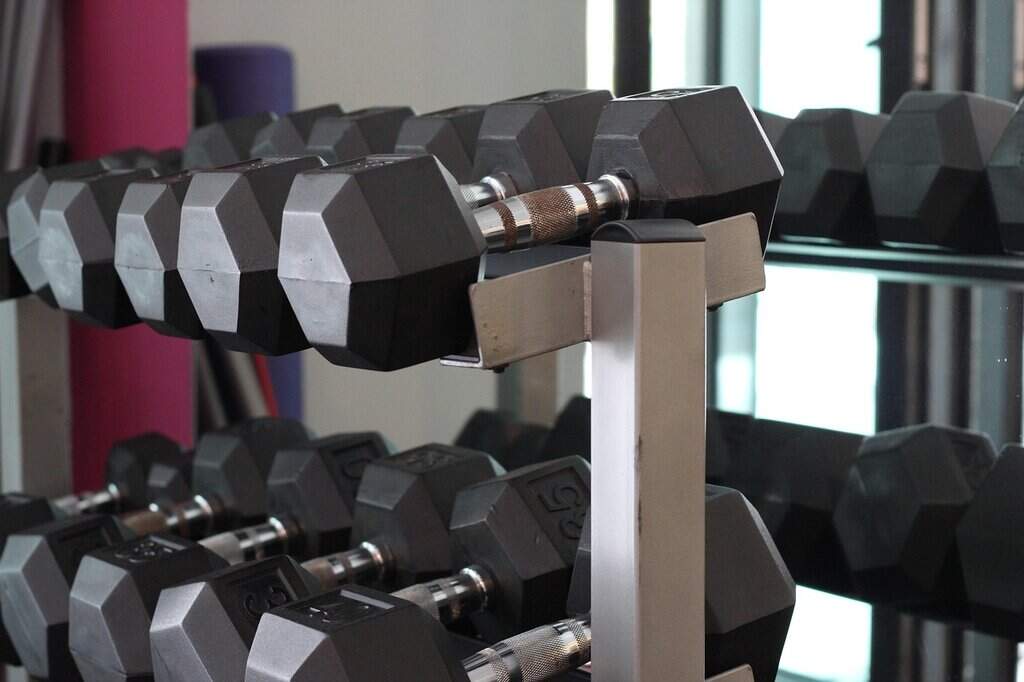
This is a common suggestion for what to do if you quit gambling: work out, get in shape, go to the gym, etc.

This can work for some people, and it helped me greatly. Of course, not everyone is able-bodied and can rely on exercise to fill the void after gambling. The exercise suggestion you often see in online forums such as Reddit’s r/ProblemGambling can be ableist.

If you can get your body moving and exercise in any way, I highly recommend it as a replacement strategy. Exercise can release endorphins, which may help when your brain might crave the dopamine from gambling.

Unless you’re doing super-intense exercise, such as training for a competition like a marathon, exercise probably won’t be a replacement for the “high” you felt from gambling. Still, your mind and body will feel better from the physical activity.

For me, quitting poker led to an addiction to exercise in the first few years after gambling. I worked out twice a day and “meal-prepped,” basically turning my life into something like a professional athlete. I ran a 17-minute 5K race and was bench pressing four plates a couple of years after quitting poker, thanks to the intense training.

Exercise addiction isn’t recognized in the DSM-5 as an official diagnosis, but I surely had an obsession with it. The harm from this addiction can be less than that of gambling, so it was helpful for me.

Body dysmorphia can be a serious problem, especially among bodybuilders, so be aware of this if you go all in on exercise after gambling.

Eventually, a handful of years later, I got to a place where I was exercising frequently but in a more normal way for someone in their 30s. Exercise no longer controlled my life, and it was a healthy replacement for poker gambling.

Chess

I was a competitive chess player as a kid and teen, playing in rated tournaments. My love for chess influenced my interest in poker, given the strategy parallels.

After quitting poker, I returned to chess. I joined a chess club and started playing online again. Because I had often played online poker, turning to online chess made sense as an off-ramp to poker.

Chess has a ratings system, and it’s fascinating how many people, including me, are so emotionally invested in gaining points. There’s no gambling feature on the major online chess platforms, so the points don’t involve money. It’s purely for social recognition to improve your rating and see where you rank globally on one of these chess sites.

I wish I weren’t so competitive in games, but it almost feels baked into my brain. Though online chess can be addictive and exhausting, especially if you play blitz, it can be harmless relative to gambling. 

I highly recommend taking up chess if you quit gambling, especially if you quit an online form of gambling. Chess isn’t perfect—it’s also a zero-sum game—but there is actually a relatively friendly community around the game.

It’s never too late to learn chess, even if you’ve never played before. Reach out to me if you’d like to play or learn; I’d be happy to teach you a few things if you use it as your replacement for gambling.

Reading Books

You can read books about gambling as part of your recovery, but reading anything is highly recommended. It will be hard at first, as reading a book doesn’t produce the same dopamine hit. I’m not sure reading produces any dopamine, which could be a good thing!

However, over time, your brain should feel soothed by immersing yourself in a good book. I know this makes me sound old school, but reading is an ancient pastime that brings incredible benefits to your mind.

In my experience, you will likely be happier if you commit to reading as a replacement for gambling.

Depending on where you live, you may feel that we live in a post-reading society. Reading is declining, as people scroll endlessly on their phones or watch video content. You can be part of reversing this troubling trend.

If you want a more social reading experience, you can find a book club in your area.

Writing

I’ve worked as a journalist for nearly my entire adult life, so I love writing. I always tell people it’s never too late to start writing if you haven’t done much of it before. You might be surprised at how quickly you can start to see improvements in your writing.

Like reading, writing can calm your mind and provide an outlet after gambling. You should definitely consider writing about your gambling and why it brought you harm.

You can write about anything, fiction or nonfiction, poetry, etc. This can help your brain heal from relying on gambling to feel relaxed.

Bottom Line: Is There a ‘Best’ Replacement for Gambling?

I found exercise, chess, reading, and writing helpful after stopping poker. These are just my suggestions for outlets post-gambling.

Different activities may be better for you, so there is no single “best” replacement for gambling. But the bottom line is that you should do things that don’t have the potential to bring you further harm.

If you are seeking treatment for a gambling problem (which is recommended over quitting cold turkey on your own), your therapist or counselor can help you brainstorm.

Turning to other addictions, such as smoking, drinking, or drugs, is not recommended. Perhaps substances can feel less harmful than gambling, and that could be true for some people. For some, gambling can be the most devastating of all addictions.

That said, you want to turn to replacements that are healthy for the long term, not dead ends.

I used marijuana at night in the wake of quitting poker. In some ways, that helped me, but in many ways it did not. I don’t recommend turning to any substance as a replacement.

If you need someone to talk to, you can call 1-800-GAMBLER. If you want more non-clinical information on a replacement for gambling, you can email me at brian@gamblingharm.org.


Discover more from GamblingHarm.org

Subscribe to get the latest posts sent to your email.