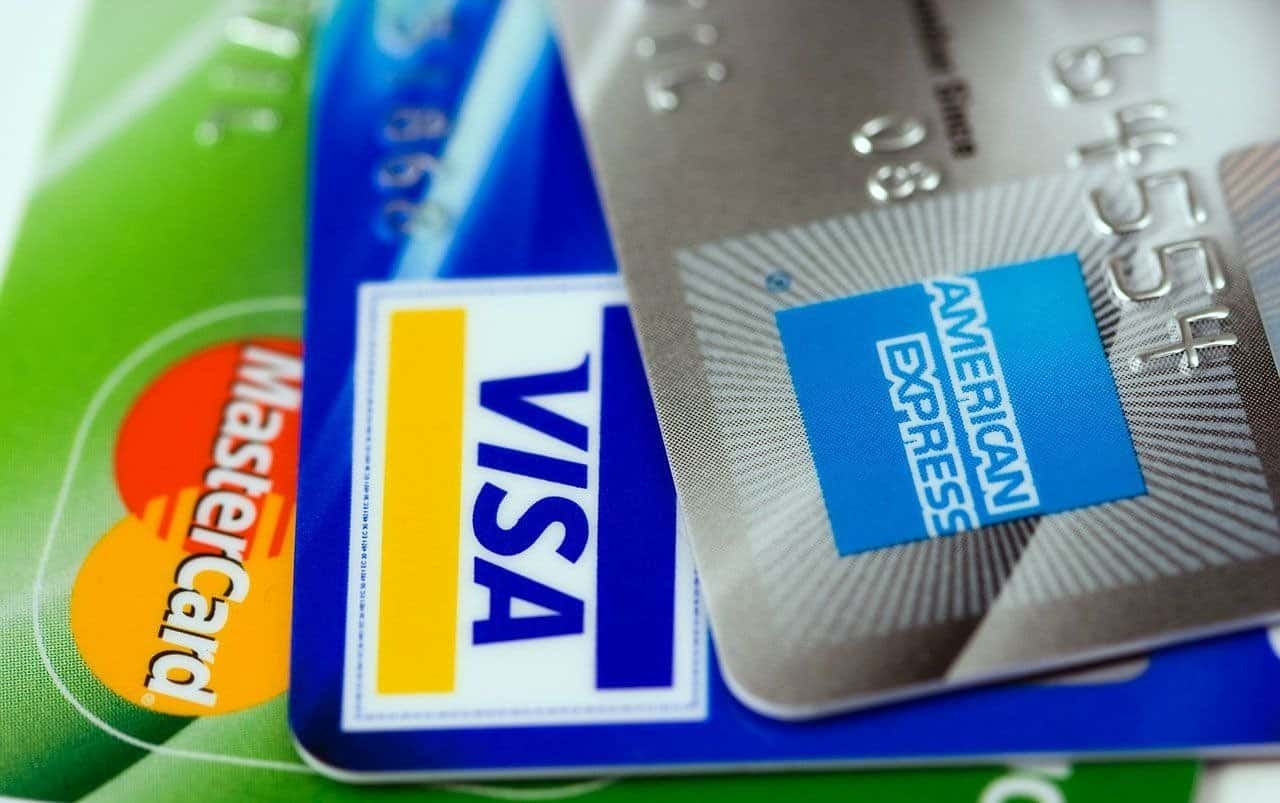
Using a credit card is among the riskiest decisions you can make while betting on sports.
By 2025, only seven of 30 states with legal online sports betting have restricted the use of credit cards for funding a gambling account.
To boost the betting industry, many states have allowed online gambling with credit. Sports betting is regulated at the state level, so each state decides whether credit cards can be used for online sportsbooks.
While credit card use can build credit, credit cards also pose financial risks, especially when using them to fund an online gambling account.
As about 50% of online sports bettors experience problems. Gambling apps are designed to be habit-forming, and their acceptance of credit cards is one of many reasons to consider avoiding them. Gambling debt in any form is one of the hallmarks of an addiction.
State Law on Credit Card Sports Betting
States Allowing Credit Credits for Online Gambling
- Arizona (HB 2772)
- Arkansas
- Colorado (Proposition DD and SB Rule 4)
- Connecticut (HB 6451)
- Delaware
- Florida: You can use a credit card, but you can’t withdraw your winnings to a card, so you must set up a bank transfer to withdraw.
- Indiana (HB 1015)
- Kansas (SB 84)
- Kentucky (HB 551)
- Louisiana (SB 130)
- Maine: You can use a credit card for betting under the state’s sports wagering rules.
- Michigan: You can use a credit card under the Lawful Sports Betting Act.
- Nevada: You can use a credit card for betting in Nevada.
- New Jersey: You can use a credit card to fund a sports wagering account.
- New York: You can use a credit card for online sports wagering.
- Ohio: You can use a credit card under Ohio Administrative Rule 3775.
- Oregon: You can use a credit card to fund a sports wagering account.
- Pennsylvania (HB 271)
- Virginia: You can use a credit card to fund a sports wagering account.
- Washington D.C.: You can use a credit card.
- West Virginia: You can use a credit card.
- Wyoming: You can use a credit card.
States Prohibiting Credit Credits for Online Gambling
Should You Gamble With a Credit Card?
While it’s legal in all but seven sports betting states to use a credit card for online betting at a state-sanctioned sportsbook, it’s usually a risky way to fund a betting account.
Some credit card companies view gambling as an unacceptable purchase because of the risk involved, which can lead to these charges being declined or flagged as potential fraud.
If an online gambling charge goes through, it can sometimes be treated as a cash advance rather than a normal purchase on credit. This can lower your credit score and lead to debt accumulation.
Most cash advances have a transaction fee (often 5% of the transaction amount) and a separate cash-advance APR, under which interest starts accruing instantly.
Credit card companies treat these as cash advances as opposed to normal transactions because you’re purchasing gambling credit—a cash alternative—rather than a normal product.
Some sportsbooks also charge deposit fees when using a credit card.
And lastly, it can be a recipe to generate overspending and credit card debt. Controlling your gambling can be trickier when using credit.
Using a credit card for sports betting could lead to you developing unhealthy habits that could negatively impact both your financial and mental health.
Visa & Mastercard Online Sports Betting Risks
Using Visa and Mastercard for online sports betting involves several risks that can affect both financial security and personal well-being. Here are some of the key risks associated with using these payment methods for online sports betting:
Financial Risks
- Overspending: Online betting platforms make it easy to deposit funds quickly, which can lead to impulsive betting and overspending.
- Debt Accumulation: The convenience of credit cards can lead to significant debt, especially if one is not mindful of their spending.
- High-Interest Rates: Carrying a balance on a credit card used for gambling can cause high-interest charges, compounding financial issues.
- Hidden Fees: Some banks or card issuers may charge additional fees for gambling-related transactions, which can add to the cost of betting.
Fraud and Security Risks
- Data Breach: Online betting sites, especially less reputable ones, may lack robust security measures, increasing the risk of data breaches and the theft of personal and financial information.
- Phishing Scams: There are numerous phishing scams targeting online bettors, where fraudsters pose as regulated betting sites to steal credit card details.
- Unregulated Sites: Using credit cards on unregulated or illegal betting sites increases the risk of fraud and the inability to recover lost funds.
Reputation Risks
- Credit Score Impact: Frequent transactions related to gambling can impact your credit score, especially if payments are missed or balances are carried forward.
- Bank Monitoring: Some banks monitor gambling-related transactions and may take action such as reducing credit limits or closing accounts.
Bottom Line: Credit Cards Under Scrutiny
More sports betting states are considering legislation to ban the use of credit cards to fund a sports betting account.
For example, in 2025, New York considered legislation to ban credit card use.
According to a report from Campaign for Accountability, the betting industry has so far been able to stifle proposed credit card bans in Connecticut, Maine, Maryland, Pennsylvania, and New Jersey.
A problem gambling “taskforce” in New Jersey issued a report of policy recommendations that surprisingly didn’t include a ban on credit cards for sports gambling.
Federally, the proposed SAFE Bet Act would establish a nationwide regulatory structure that bans using credit cards for sports gambling.
A 2024 paper from the National Council of Legislators from Gaming States (NCLGS) suggested that credit cards be banned for online casino gambling.
Discover more from GamblingHarm.org
Subscribe to get the latest posts sent to your email.