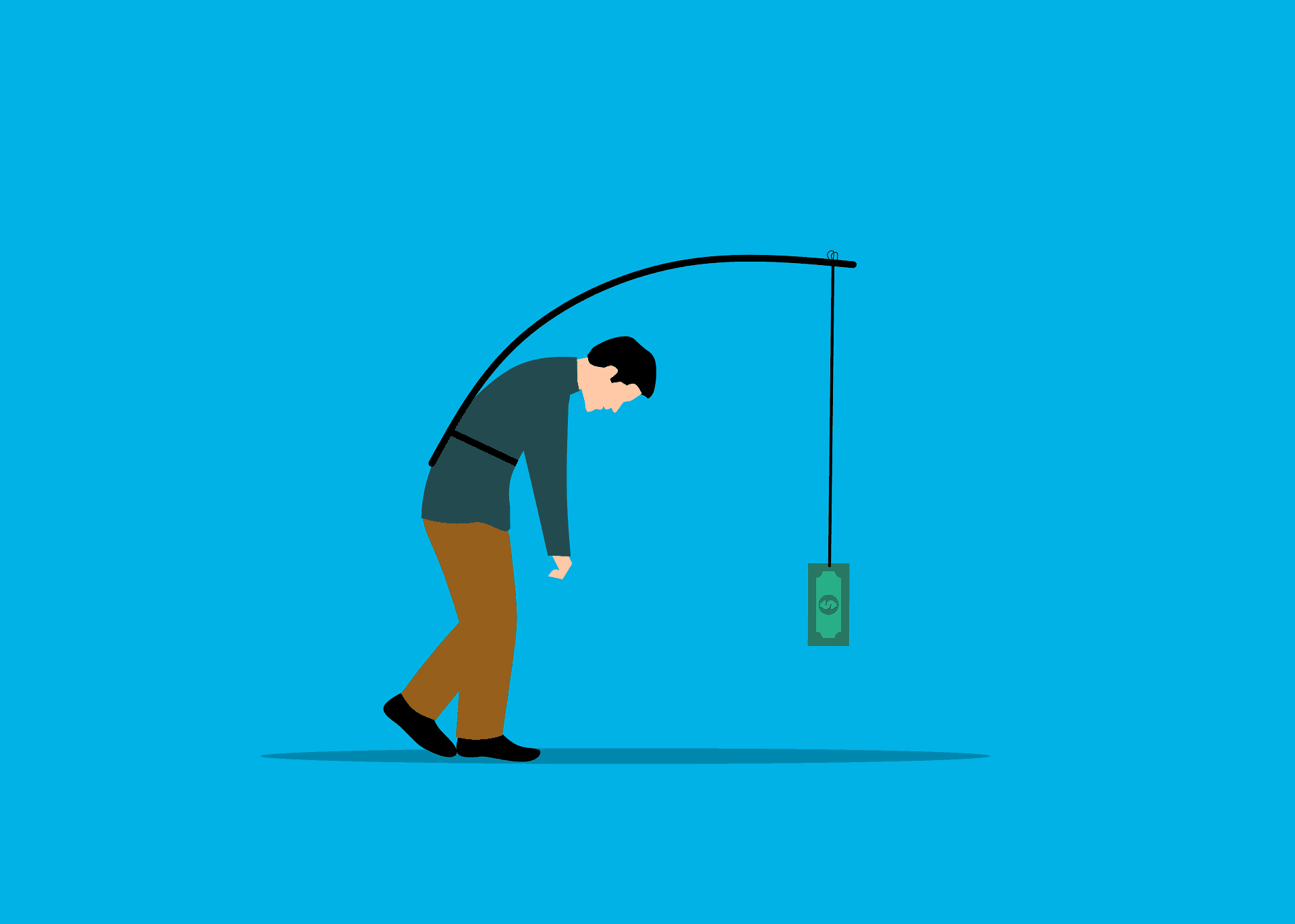
The only guaranteed way to prevent a sports betting addiction is through abstaining from betting entirely. It’s best not to start.
However, if you don’t think abstaining is right for you, there are some ways to reduce the risk in the short term.
Keep in mind that there are no proven long-term strategies to prevent a sports betting addiction other than not gambling at all.
Betting Addiction Prevalence
In the short term, preventing a sports betting addiction involves a high degree of self-control, which is possible for some people and impossible for many others.
According to the latest betting addiction statistics, 30-40% of online sports bettors experience problems with their gambling.
If you have or are suffering from a mental illness, it’s best to not bet on sports.
Sportsbooks prey on even your slightest emotional instability. Problem gamblers generate the vast majority of revenue for the sports betting industry, according to one study.
Tips to Prevent a Sports Betting Addiction
If you want to try sports betting, consider the following steps to make it safer.
Set a Budget
Budgeting is a popular industry talking point, but it has some validity.
Knowing how much you will lose before quitting can be a helpful strategy.
Decide on a fixed amount of money you can afford to lose before you start betting. Never use money meant for essential expenses or bills.
Do not borrow money to gamble.
Related article: Should You Give Money To A Sports Gambler?
Limit Time Spent Betting
Similar to setting a monetary budget, setting a time budget can be helpful.
Allocate a specific amount of time for sports betting activities and adhere to it. Quit sports betting if you have difficulty sticking to your time budget.
Avoid letting betting consume your day or interfere with personal or work commitments, as this is one of the hallmark signs of a sports betting addiction.
Understand the Odds
Educate yourself about the plus and minus odds and the randomness inherent in sports betting.
Understanding the most common gambler fallacies is also crucial.
Recognizing that sports outcomes are out of your control can help temper expectations of winning.
Related article: Does Sports Betting Involve Skill?
Don’t Chase Losses
Accept losses as part of sports betting and resist the urge to bet more money or at greater frequency in an attempt to recover lost money.
Chasing losses leads to even more significant losses.
The central gambler’s fallacy is the notion that you’re “due for a win” after past losses.
Keep Betting for Entertainment
“Entertainment” is another problematic industry buzzword, but it can be helpful to frame your betting in this way.
Don’t think of sports betting as a way to make money or solve financial problems.
That said, losing money isn’t fun for most people, so the entertainment value of sports betting is dubious.
Gambling, especially in an attempt to make money, is bad for your heart.
Use ‘Responsible’ Betting Tools
The World Health Organization has called “responsible gambling” a farce because, according to the WHO, it’s used as a marketing tactic to keep people gambling.
Still, some RG tools that online sportsbooks provide may be of use to you.
Look into features offered by some betting sites, such as deposit limits, loss limits, and self-exclusion options, to help manage betting habits.
Typically, these tools are designed for people who should actually abstain from betting entirely. However, they can be useful as prevention measures.
They are rarely effective at helping a full-blown gambling disorder.
Monitor Your Behavior
Regularly reflect on your betting behavior and be honest with yourself about whether it’s causing problems or distress. Journaling can be effective.
Telling people you are close to about your betting can also be helpful for accountability.
Lying about gambling, whether to yourself or others, is a big red flag.
Seek Support if Needed
If you notice signs of problem gambling, take a break from betting and seek help.
Many organizations and support groups can provide assistance and guidance:
- Gambling Harm: Offers a collection of information for all things related to PG
- Gamblers Anonymous: Offers support groups for individuals struggling with gambling addiction.
- SAMHSA National Helpline: Provides confidential support and resources for mental health and substance use disorders.
- National Council on Problem Gambling: Offers a range of resources, including a helpline and treatment options.
Can You Prevent a Sports Betting Addiction?
Yes, it is possible. Some people can bet on sports occasionally and have a positive experience.
As with many things in life, moderation is a key concept.
However, for many people, sports betting is a highly risky activity.
We recommend abstaining from betting to be sure you can continue to enjoy watching sports.
Image by Tookapic from Pixabay
Discover more from GamblingHarm.org
Subscribe to get the latest posts sent to your email.