Throughout the past five years (1,824 days, and yes, I am counting) in problem gambling recovery, I have been honored to share my story with many amazing audiences. Whether it is for gaming stakeholders at a national conference, clinicians, state regulators, governmental leaders, or NCAA Division I coaches and athletes, every opportunity to raise awareness of gambling-related harm and recovery is a blessing.
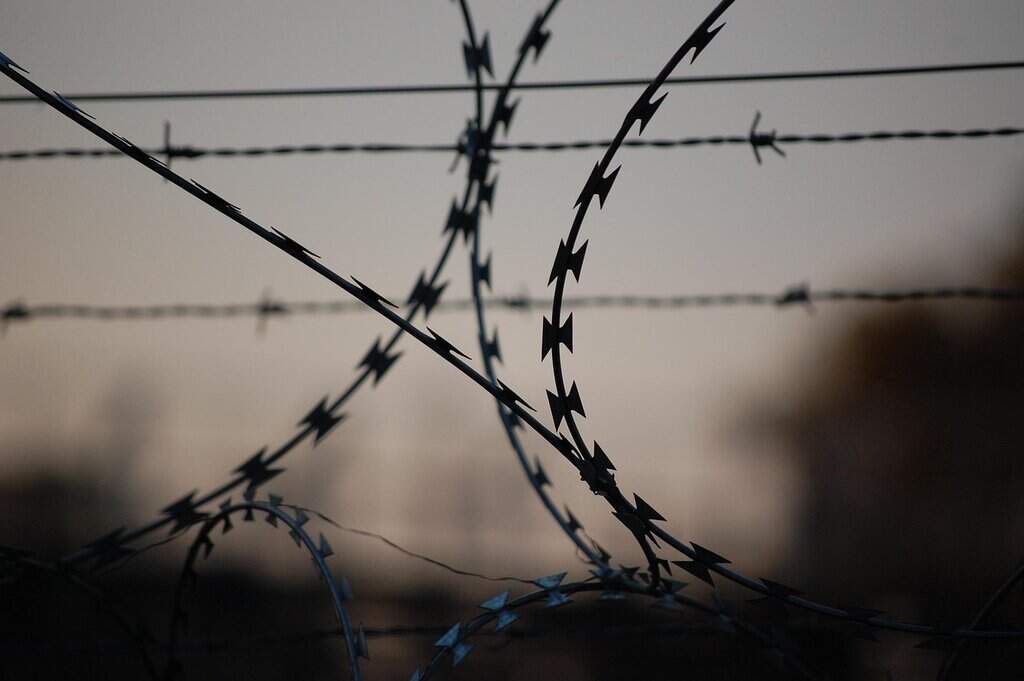
However, my most cherished audience wears beige jumpsuits behind thick cement walls and barbed wire. I’m writing to share my experiences as Executive Director of the Nebraska Council on Problem Gambling.
Prison at Rock Bottom
When I transitioned from being an individual in recovery to an individual fighting to reduce gambling-related harm, I knew I had to share my story with incarcerated individuals in Nebraska.
While receiving problem gambling treatment, I realized that if I kept gambling, I would have ended up dead or in prison. My story has much more in common with the people inside those walls than with many on the outside.
Fortunately, I was able to find avenues to share my lived experience within state prison walls.
Early on in my career in problem gambling treatment, I connected with a non-profit organization called RISE. Its mission is to break the generational cycle of incarceration. The organization provides support to currently and formerly incarcerated individuals in Nebraska.
I was fortunate to assist with their in-prison character development and job-readiness program. Through this program, I was able to share my addiction and recovery story with participants at four different facilities throughout Nebraska.
While this was a great start, I wanted to do more. I wanted to impact an even larger population. Through additional connections, I met prison staff at health and wellness fairs held at facilities throughout the state.
Gambling in Prisons
People have asked me why I’m interested in support within the prison system. It’s simple.
Gambling takes place behind those walls in a variety of forms. And where there is gambling, there is potential for gambling-related harm.
Every time I visit a facility, I hear stories about card games for canteen items. I learn about a group of prisoners placing bets on sporting events they may or may not even be able to watch. I find out about lives already devastated by the rigors of incarceration, along with guilt, shame, and worry, that are even more compromised because of the emotional and physical demands of a gambling addiction.
Their lived experience that led them to prison was very likely influenced by addiction, whether substance use, gambling, or another struggle. The vast majority of problem gamblers live with co-occurring disorders, whether that is addiction or mental health concerns.
And while incarcerated individuals might not be able to “self-medicate” with substances or find ways to activate reward systems, gambling can become their way to find pleasure in a world devoid of much joy. The “rush” of winning a bet (or even placing one) can become very addictive very quickly, even in a controlled prison environment.
After Prison
The goal is that many of these individuals will be released in the future. I hope that my story and information can help them stay on the right side of the law on the outside.
For those individuals released into society after a prison sentence, life can be extremely difficult.
Job opportunities are slim. Shame and stigma are omnipresent. Resources are limited. It is tempting to look at ways to make “fast money”, including gambling.
Previously incarcerated individuals are some of the most vulnerable to the lure of gambling, thus making them vulnerable to problematic gambling behavior. I hope that these individuals will remember our conversations and make decisions accordingly.
The individuals behind those walls deserve the same information and support as every other Nebraskan. We can’t discriminate or judge who is “worthy” of a life without gambling-related harm.
Fortunately, the commitment to reducing gambling-related harm amongst incarcerated Nebraskans goes well beyond my prison visits. Several disordered gambling counselors in Nebraska provide free treatment within the walls of county jails throughout the state.
In fact, the majority of the clientele for one counselor in my community are residents of our county jail. I have sat in on several therapy sessions in prisons throughout the state. While every story of struggle is unique, several key concepts are similar.
Gambling behavior is prevalent in every prison facility throughout the state, and this behavior becomes out of control for many.
Gratitude
A common theme across these interactions within the Nebraska prison system is gratitude.
Every time I step foot in a prison facility, I’m welcomed with open arms. People line up to shake my hand and thank me for coming into their facility. Individuals share intimate details of their own addiction struggles. They let me know how much they learned from me.
And I always tell them the same truth: I get more knowledge and satisfaction out of my visits than they could ever get from me.
Working in a prison is also emotionally and physically taxing, and Nebraska understands and appreciates the sacrifices its employees make.
Each facility hosts an annual event where groups that provide services beneficial to their staff are in attendance. At these events, I provide information on prevention and treatment.
Not only am I able to assist those closest to our prison population in avoiding gambling-related harm, but I can also inform staff on signs of gambling behavior amongst incarcerated individuals.
Hope Beyond Gambling
Problem gambling does not need to take place under the neon lights of a casino, in isolation via cell phone, or on a quick trip to a convenience store. Gambling behavior has become normalized and available everywhere in U.S. society, even behind the cement walls of prisons and in front of correctional officers.
That is why the Nebraska Council on Problem Gambling will serve all Nebraskans, including those currently incarcerated in Nebraska.
I will continue to visit my friends behind those walls. They deserve to hear the same message of education, awareness, prevention, and hope that everyone else in my state can receive.
Editing by Brian Pempus, founder, GamblingHarm.org.
Mike Sciandra is the Executive Director of the Nebraska Council on Problem Gambling (NeCPG). NeCPG is a 501(c)(3) non-profit and the sole Nebraska affiliate of the National Council on Problem Gambling (NCPG).
The mission of NeCPG is to increase public awareness of problem gambling, to encourage the availability of treatment services for problem gamblers and their families, and to provide resources for education and prevention.
Mike also serves as an Education and Outreach Coordinator at Choices Treatment Center and as a Peer Support Specialist for multiple organizations. A disordered gambler for over two decades, Sciandra now uses his lived experience to educate, inform, and provide hope to those at-risk for gambling-related harm.
For more information on NeCPG, please visit http://www.necpg.org.
Discover more from GamblingHarm.org
Subscribe to get the latest posts sent to your email.