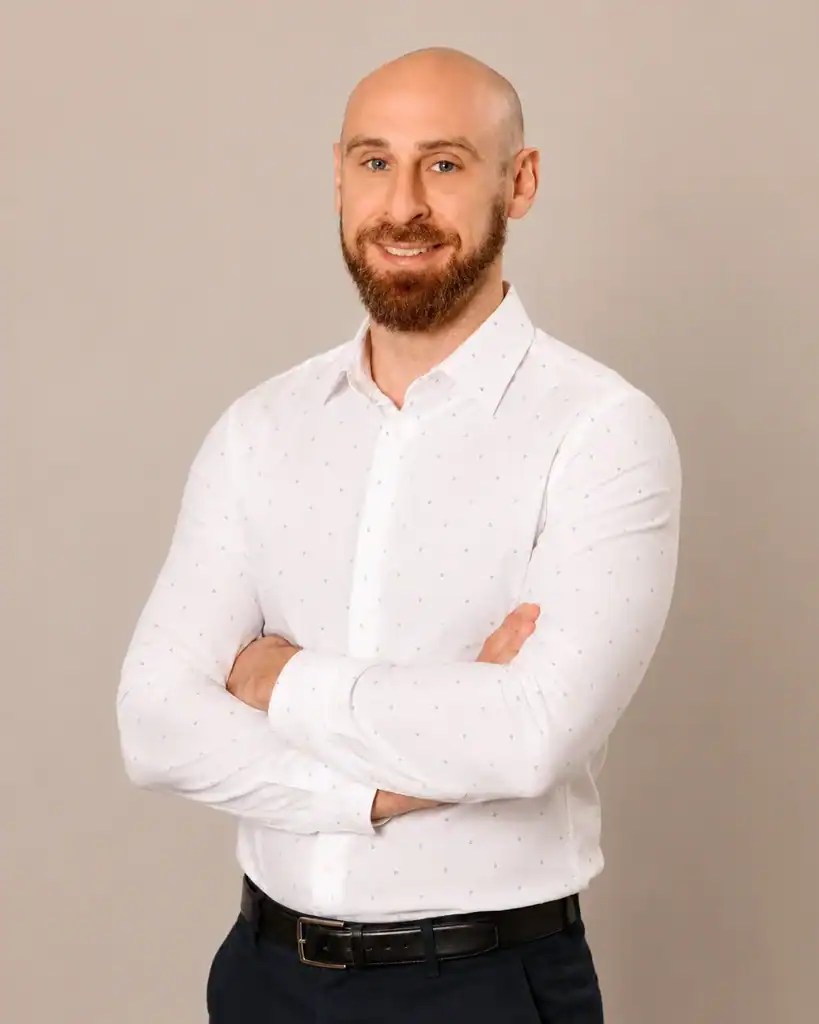

Turkey is ahead of the global curve in gambling harm prevention and treatment, according to a leading expert in the country. However, concern remains high as about 30% of people seeking help for any addiction do so for gambling.
Clinical psychologist Emre Yılmaz focuses on gambling addiction in Turkey (Türkiye). GamblingHarm.org had the chance to speak with him about public health efforts in his country.
The following is our Q&A interview from April 2026. It was edited for brevity.
Brian Pempus: Can you briefly describe your work on gambling addiction?
Emre Yılmaz: I have dedicated the past 10 years to gambling addiction and was among the first in Türkiye to conduct family and adult group therapy for gambling.
I have worked across prevention, academia, and clinical practice, seeing over 10,000 cases.
Most recently, my case-based book titled “One Last Time”, which features recovery stories from gambling addiction, has been published.
BP: Can you talk about the legal status of gambling in Turkey? What is allowed and what is prohibited?
EY: Casinos are banned in Türkiye. They closed in 1998, and only state-regulated games of chance remain legal. The country mainly targets illegal gambling.
This system is based on the approach of controlling supply through a state monopoly.
However, according to Green Crescent (Yeşilay), a Türkiye nonprofit, the distinction between legal and illegal gambling blurs in practice. Legal forms can also lead to gambling addiction, making such a distinction less meaningful. Illegal gambling platforms offer much wider access.
Therefore, Yeşilay emphasizes that both illegal and legal gambling should be more strictly regulated.

BP: Do people in Turkey use overseas-based gambling websites? How widespread are these platforms? What types of gambling do Turkish people prefer most?
EY: The most critical dimension of gambling in Türkiye is digitalization and foreign-based betting websites. Similar to other countries, gambling via illegal online platforms is quite common.
During the pandemic, aggressive advertising spread widely. Türkiye’s economic crisis worsened the problem.
High unemployment also contributed to this trend. Moreover, the presence of gambling-like elements on shopping platforms embedded in everyday websites has made access easier and led to shifts toward gambling.
About 1 in 10 people in Türkiye has gambled at least once in their life. The starting age has dropped to as low as 15.
The widespread nature of digital gambling can be explained by several factors, such as 24/7 accessibility, anonymity, and rapid reward mechanisms.
Based on my clinical observations, the most common forms of gambling are football betting, horse racing, live betting, slot machines, and other casino games.
BP: What steps is the Turkish government taking to address online gambling?
EY: In Türkiye, policy approaches include blocking access to illegal betting sites through the Information and Communication Technologies Authority (BTK), conducting operations against illegal betting networks, implementing financial controls, and restricting payment systems.
The industry avoids using the word “gambling” and instead uses terms like “chance,” “betting,” and “luck.” Some individuals may not even realize they are gambling.
In terms of prevention and intervention services, Yeşilay provides free psychological support nationwide through YEDAM (Green Crescent Counseling Centers). Despite these efforts, a more comprehensive and multidimensional national strategy is needed.
Recent actions include ad restrictions, proposed income-based credit limits, and the removal of gambling-related sections from state bank apps.
BP: How is gambling generally perceived in Turkey?
EY: In Türkiye, gambling is generally viewed negatively. It’s religiously (Islam) prohibited, and seen as morally risky and economically destructive. However, with digitalization, there is a trend toward normalization.
To illustrate the scope of the issue, Yeşilay President Assoc. Prof. Mehmet Dinç reported that in the past three years alone, 15,624 individuals applied to YEDAM specifically for gambling addiction. This figure represents about 28% of the total 54,824 individuals who sought help for any form of addiction at YEDAM between 2021 and 2024.
Gambling receives the most applications. Dinç states that Türkiye is facing a “societal crisis.”

BP: What are the early warning signs of problematic gambling behavior observed in Turkey?
EY: Based on Yeşilay field data and my clinical observations, early warning signs include:
- financial distress
- job and relationship loss
- loss of financial control
- functional impairment
- debt accumulation
- lying
- hiding behavior from family
- chasing losses
- excessive engagement with digital devices
BP: What do you think about the gambling industry’s ‘responsible gambling’ messaging? How can these messages be harmful?
EY: It can be said that the industry uses all its power to shape perceptions.
Considering developmental processes, genetic predispositions, and adolescence, individuals with psychological vulnerabilities may struggle to protect themselves—especially those aged 15–24.
Instead of promoting the concept of “responsible gambling,” it is better to stress that “gambling is gambling.” Industry messaging shifts responsibility to individuals and hides structural risks.
The industry creates ever-more enticing, addictive games. This is referred to as “systematically producing harm” in the literature.
BP: Does Turkey collaborate with the World Health Organization (WHO) in addressing gambling addiction?
EY: With regard to international collaboration, the decision to include online and offline gambling disorder in ICD-11 was made during a meeting hosted by Yeşilay with WHO participation. There is also a protocol between Yeşilay and the WHO.
Although Türkiye does not operate a highly specific WHO gambling program, its policy framework, definitions of addiction, and public health approach align with WHO standards.
Collaborative initiatives with the WHO are ongoing.
BP: In your opinion, which is more important: prevention or treatment?
EY: In line with my perspective, Yeşilay data shows that gambling addiction starts early (around age 15), treatment is often late, and many individuals with gambling addiction never seek help.
Given these factors, prevention is more critical than treatment. International studies support this conclusion.
We must not forget the destructive impact, particularly the concept of “lost years.” Individuals lose years of their lives. Since treatment is often sought after significant financial losses, prevention becomes essential.
Yeşilay has been a pioneer in this field since 1920, working both nationally and internationally. It provides free intervention services in all provinces of Türkiye and contributes to prevention efforts across institutions.
BP: What is the level of stigma regarding gambling addiction in Turkey?
EY: There is general stigma toward addiction in Türkiye. In some segments of society, it may still be perceived as a weakness, a source of shame, or a moral issue, which delays help-seeking.
Yeşilay gambling data highlight a large “invisible group” that does not seek treatment, indicating the need for more academic and field research on stigma.
BP: In summary, are there sufficient treatment opportunities for gambling addiction in Turkey?
EY: Treatment opportunities are developing, mainly through Yeşilay and YEDAM, which provide free services nationwide. Meanwhile, models in private institutions are still evolving.
In the past three years, over 20,000 people have applied for help with gambling addiction at YEDAM centers, making gambling the most common reason for application during this period.
To my knowledge, Türkiye is the only country in the world providing such services free of charge in all provinces. Specialists at YEDAM undergo standardized training and supervision processes.
Image by Ben Kerckx from Pixabay