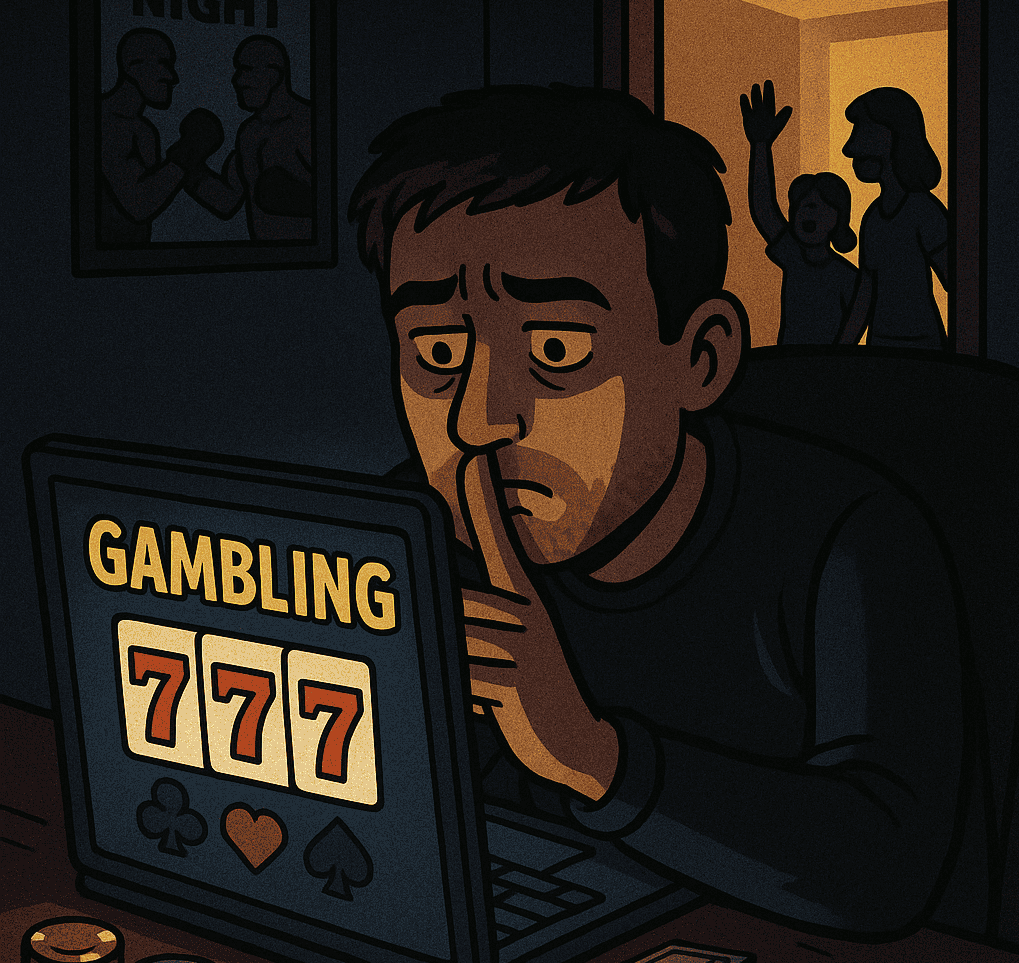
People struggling with problem gambling often repeat certain things gamblers say to justify or hide the extent of their gambling.
These gambler sayings are common rationalizations and often lies – from denial of the problem to promises that don’t hold.
Understanding these statements is crucial for friends and family members to spot potential warning signs of gambling addiction. For gamblers in recovery, it’s vital to recognize and challenge their own thought patterns.
In this article, we’ll explore the typical phrases problem gamblers use, the psychological underpinnings behind them, and how to recognize these sayings as red flags.
What lies do gambling addicts tell?
Compulsive gamblers tend to use similar phrases to explain away their gambling, either to themselves or to people around them.
These statements (and variations of them) appear frequently among people with gambling problems. Compulsive gamblers are often able to deceive and tell lies to both themselves and the people around them.
The individual often wants to believe these lies as much as they want you to believe them – it helps postpone the day they must face their truth.
Below are some of the most common things gamblers say and what they might really mean:
- “I don’t have a gambling problem.” – This can be pure denial. Many addicted gamblers are unable to admit there’s an issue, even when it’s obvious to others. This lie helps them avoid confronting the problem and seeking help. By insisting, “I don’t have a problem,” gamblers protect themselves from shame and fear. This self-deception allows them to continue gambling without immediately confronting the damage. It’s a defense mechanism to stay “safe” in the false comfort of believing nothing is wrong.
- “I can stop whenever I want.” – This is very often an illusion of control. Gamblers often insist they’re in control of their betting and can quit at any time. In truth, they usually cannot stop on their own, as gambling has become a dangerous compulsion.
- “I have a system.” – People who gamble in all forms might say this to insist that gambling is a skill-based game. It’s not, especially in house-banked games like slots and blackjack. With sports betting and poker addiction, a vast overestimation of the skill factor traps many people into thinking they can make a reliable income from betting.
- “I’m only gambling with my own money.” – This can be a way to downplay harm. The person claims they’re not endangering the finances of family or friends. In reality, many gamblers dip into savings or household funds despite these assurances.
- “My gambling doesn’t hurt anyone.” – This can be a minimization of consequences. The gambler believes (or wants others to believe) that their habit is harmless. In truth, problem gambling often causes serious financial and emotional harm to loved ones. They might compare their gambling to worse vices they aren’t doing (drugs, crime, etc.).
- “I don’t gamble every day, so it’s not a problem.” – Another potential denial tactic. The gambler may point out they have breaks between bets, implying they’re not addicted. What matters, however, is not daily frequency but the loss of control and negative impact when they do gamble. Studies have shown that regular gamblers are much more likely to develop problems with their activity.
- “Gambling is my only hobby.” – A justification to normalize the behavior. Framing gambling as a hobby or “harmless entertainment” is common. The gambler is trying to make the addiction sound like a normal pastime when, in fact, it’s far from harmless.
- “I need to gamble to relieve my stress.” – A potentially dangerous rationalization that gambling is a coping mechanism. The person convinces themselves they deserve to gamble or need it to unwind. While a temporary escape, gambling ultimately adds more stress (debt, guilt, etc.), not genuine relief.
- “I’m going to win big soon.” – Wishful thinking driven by the gambler’s fallacy. After losses, problem gamblers often believe a big win is “right around the corner,” so they keep betting. This false optimism ignores the reality that each gamble is independent of the last – past losses don’t make a win more likely.
- “I was just unlucky today.” – Blaming losses on luck rather than one’s own addiction. By attributing a bad outcome purely to bad luck, gamblers avoid acknowledging the real issue (their compulsive gambling). It preserves the illusion that next time will be different.
- “I’ll win it back” or “I’ll pay back what I owe when I win big.” – This phrase signals the gambler’s belief that the solution to their debt is to gamble more. It’s a dangerous loop: they dig deeper into a hole while waiting for a hypothetical jackpot to bail them out. Chasing losses is one of the hallmark signs of a gambling problem.
- “You can trust me. I won’t gamble anymore.” – Empty promises often made after a confrontation or a big loss. In the moment, the gambler might even believe this promise. Unfortunately, without proper help, the resolve usually doesn’t last. Saying “trust me” is a way to pacify concerned loved ones, but if the underlying addiction isn’t addressed, the gambling will likely continue and cause further harm.
Recognizing gambler statements as warning signs
The things problem gamblers say can be very convincing – both to the people hearing them and to the gamblers themselves. Certain phrases feed the addiction by sustaining denial and false hope.
For families, learning to identify these gambler sayings is vital. Once you recognize these statements as warning signs rather than truth, you can take action to help your loved one break the cycle. Remember, behind each excuse or lie is a person who likely feels trapped and ashamed.
People struggling with problem gambling often truly believe their own narratives while in the grip of addiction. Recognizing this can foster empathy – the person is not trying to hurt anyone; they are caught in a mental health disorder that justifies their continued gambling.
For family members and friends, hearing these gambler sayings should raise red flags.
You should first try to provide the support you can while also encouraging them to seek professional help – therapy or support groups – rather than making more bets.
If you are a gambler in recovery yourself, try to be honest when these justifying thoughts pop up. Recognize them as the addiction talking, and reach out to support, a therapist, or friends/family to keep you safe from harm.
Recovery starts with honesty – and that begins by calling these familiar phrases what they really are: the language of a gambling addiction, not the language of reality. With compassion and the right support, those struggling can move beyond the lies and into genuine healing.
Discover more from GamblingHarm.org
Subscribe to get the latest posts sent to your email.