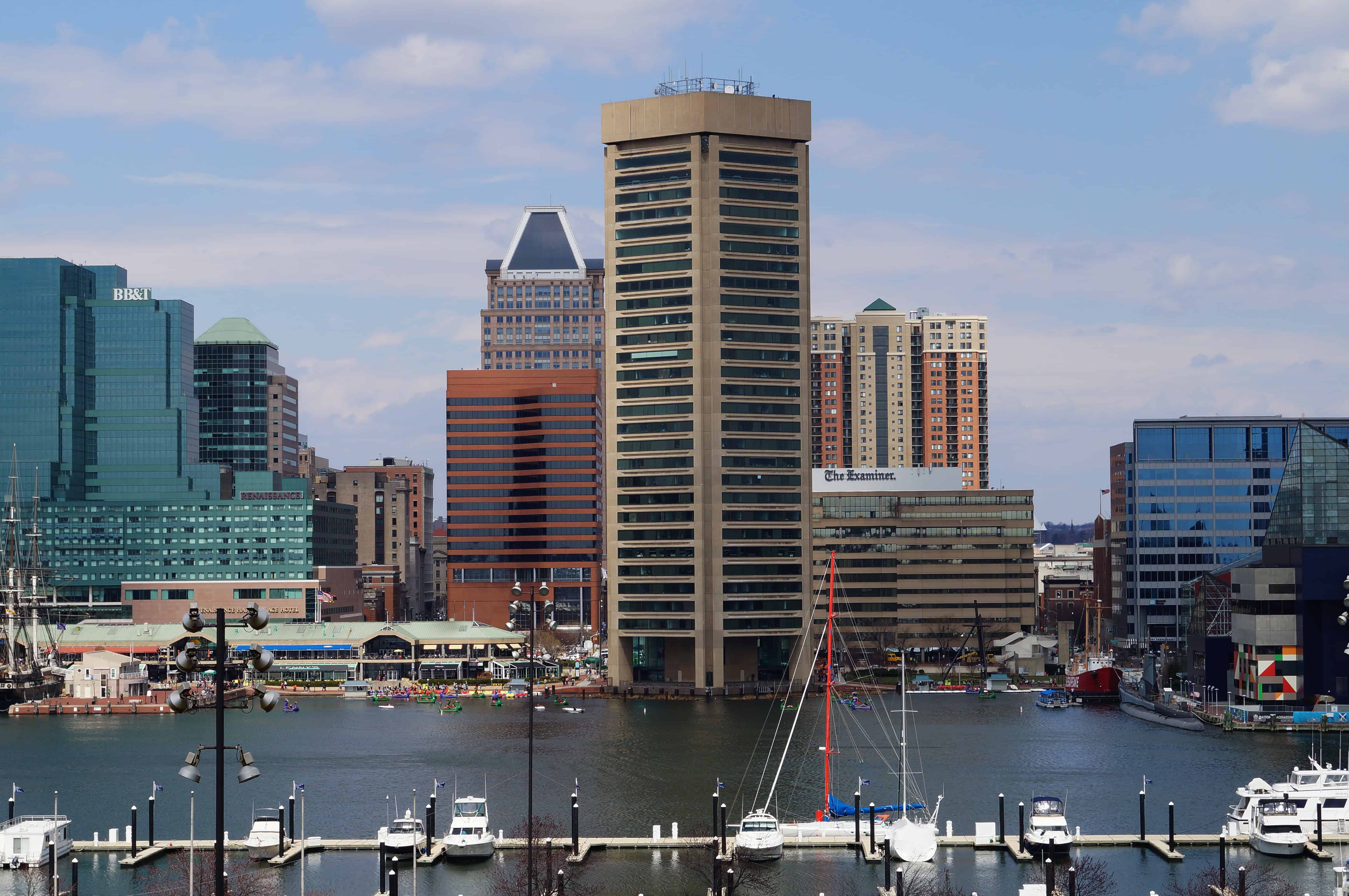
The City of Baltimore has launched a sports betting lawsuit against industry giants DraftKings and FanDuel, accusing the companies of predatory and deceptive practices that target people struggling with problem gambling.
Filed in Baltimore City Circuit Court in early April, the complaint alleges that the two sportsbooks exploited vulnerable bettors through misleading promotions and aggressive data-driven marketing – actions the city claims violate Baltimore’s consumer protection laws.
City officials, led by Mayor Brandon Scott, say the legal action is aimed at reining in the betting platforms’ tactics and protecting residents from gambling-related harm.
Background: Maryland’s Sports Betting Boom
Maryland is one of 40 states that sanctions sports gambling. The state launched in-person betting in late 2021 and mobile betting in 2022.
Since then, Maryland’s sports betting industry has grown into a multibillion-dollar market, generating tens of millions in tax revenue for the state each year. In January 2025, Marylanders placed nearly $619 million in wagers, with the vast majority – over $600 million – bet via apps.
DraftKings Maryland and FanDuel Maryland are the dominant players. Together, the two platforms account for nearly 80% of the U.S. sports betting market share.
In January 2025, more than $457 million of Maryland’s wagers were placed on DraftKings and FanDuel, dwarfing the roughly $51 million handled by the next-largest competitor.
Baltimore officials note that while sports betting puts revenue into state coffers for education,
What the city does see, they argue, are the negative social impacts of problem gambling – from personal financial distress to increased calls for help with gambling addiction.
‘Hook, Target, and Exploit’ Tactics
Baltimore’s lawsuit against DraftKings and FanDuel paints a detailed picture of what it calls a two-pronged scheme to maximize profits at the expense of people.
According to the 51-page complaint, the sportsbooks systematically turn casual betting into compulsive gambling through enticing offers and relentless personalized marketing.
Key allegations include:
- Misleading promotions: Using so-called “bonus bets” and other sign-up incentives designed to quickly hook new users. These promotional credits often expire within a week, pressuring newcomers to bet repeatedly in a short time frame.
- Data-driven targeting: Leveraging vast troves of user data and analytics to identify bettors showing signs of a gambling problem, then bombarding them with tailored ads, push notifications, and offers to encourage even more wagering. The complaint describes the platforms “relentlessly pinging” users and tweaking their algorithms to target those likely to have gambling disorders to extract the maximum “lifetime value.”
- VIP programs: Enrolling frequent and high-spending customers in VIP loyalty programs that come with personal “hosts,” exclusive bonus offers, and lavish perks. These inducements reward heavy betting and discourage self-restraint, effectively enticing at-risk individuals to continue betting large sums. In fact, the tactics are so well-known that savvy professional gamblers have reportedly begun mimicking problem-gambler behavior – such as odd-hour betting patterns – to receive more VIP rewards.
- Neglecting responsible practices: Despite knowing their practices can lead to addiction, the companies allegedly fail to intervene or offer help to those showing signs of disordered gambling. Rather than use their data to aid people – for example, by flagging excessive losses or encouraging limits – DraftKings and FanDuel “purposefully” focus on keeping these individuals betting as long as possible, the suit claims.
These aggressive strategies, Baltimore argues, have contributed to a spike in compulsive betting behavior. The complaint cites a University of Maryland study that found at least 20% of online sports bettors exhibit signs of problem gambling.
According to other sports gambling addiction statistics, 30-40% of online sports bettors experience problems with their play.
Legal Arguments and Implications
Baltimore’s case rests on the claim that the conduct violates the city’s Consumer Protection Ordinance, which bans unfair and deceptive trade practices.
This legal approach is novel in the context of U.S. sports betting. Baltimore is the first public entity in the nation to sue regulated online sportsbooks over their business practices.
“These companies are engaging in shady practices, and the people of our city are literally paying the price,” Mayor Scott said, describing the suit as holding the industry accountable.
City lawyers highlighted a key advantage government plaintiffs have: Unlike individual bettors, who are typically bound by arbitration clauses in user agreements, a public entity can bring a lawsuit in open court.
“Public entities are not subject to those sorts of arbitration clauses… [They] can bring claims to protect their citizens,” noted Adam Levitt, an attorney with DiCello Levitt, the firm representing Baltimore in the case.
The city can seek broad remedies and potentially a public jury trial, bypassing the private arbitration process that has stymied many individual legal claims.
In recent years, some individual bettors and families have sued sportsbook operators over gambling addiction, but those cases face challenges due to these arbitration agreements and other legal hurdles.
Baltimore’s lawsuit seeks both monetary and injunctive relief. The city is asking for statutory penalties (fines) for the alleged violations and a court order to stop the exploitative practices described in the complaint.
In essence, Baltimore wants the court to force DraftKings and FanDuel to reform how they operate – for example, by ending misleading promotions and implementing better safeguards for vulnerable users.
The suit does not specify a dollar amount for penalties, focusing instead on ending the “targeting and exploitation” of at-risk gamblers.
City Solicitor Ebony Thompson emphasized that curbing these “predatory practices” is a primary goal: “DraftKings and FanDuel put corporate greed ahead of the well-being of Baltimoreans, getting users hooked to their gambling platforms and then leveraging troves of data to identify, target, and exploit the most vulnerable among them,” she said. “Their predatory practices have caused significant harm to our community.”
Should this litigation succeed, it could set a powerful precedent. The law firm representing Baltimore described the case as a potential test model – if the city prevails, other jurisdictions may file similar claims against sports betting companies.
It’s a bold strategy that should be closely watched nationwide, as many states have been grappling with how to address the societal impacts of online gambling.
DraftKings and FanDuel Respond
For now, the companies deny any wrongdoing.
FanDuel said it does not comment on pending litigation but stated that it is confident its operations comply with all applicable laws and regulations in Maryland.
DraftKings has so far declined to issue public comment on the Baltimore suit.
In past statements on problem gambling, both companies have pointed to what they claim are responsible gambling tools and have disputed that their marketing crosses legal or ethical lines.
A FanDuel spokesperson underscored that the platform “operates in accordance with all laws, including those enforced by the State of Maryland’s Lottery and Gaming Control Commission” – suggesting that state regulators have not flagged the alleged practices as unlawful.
Baltimore officials, however, counter that existing regulations haven’t kept pace with the aggressive tactics enabled by big data and competition for market share.
DraftKings and FanDuel dominate the Maryland market in part due to their ubiquitous advertising and promotions. Both companies invested heavily in marketing when Maryland online betting went live, vying to capture customers.
Smaller competitors in Maryland’s betting industry are not named in Baltimore’s suit, and it remains to be seen if those other operators will voluntarily adjust their practices in light of the legal spotlight on the market leaders.
The companies will fight the claims vigorously, potentially arguing that their promotions are standard industry practice and that state law preempts the city’s authority.
This could set the stage for a pivotal legal battle over consumer protection in the state-sanctioned online gambling era.
Industry Impact in Maryland & Beyond
This high-profile case carries significant implications for the sports betting industry.
If Baltimore succeeds in court or secures a settlement, DraftKings and FanDuel could face substantial fines and be forced to overhaul their business practices.
A court-ordered injunction could require the companies to implement new problem gambling safeguards. For example, they might need to actively identify and assist problem gamblers, limit or eliminate VIP programs, and ensure promotional offers don’t fuel excessive betting.
Such changes would echo measures seen overseas.
In the U.K., regulators recently banned the kind of VIP incentives and aggressive bonus advertising at issue in the Baltimore suit, forcing operators (including FanDuel’s parent company Flutter) to adopt stricter protections for young and vulnerable bettors.
Baltimore’s lawsuit essentially asks: Why shouldn’t American regulators and/or courts impose similar rules?
Broader fallout is also possible.
A win for Baltimore could embolden other cities or states to invoke their consumer protection laws against sportsbook operators, ushering in a new wave of litigation and oversight.
“If this case succeeds, other jurisdictions will file similar claims,” predicted Baltimore’s legal team.
Even if the lawsuit doesn’t prevail outright, it may prompt more industry scrutiny. Lawmakers in Maryland are already considering a bill to repeal the state’s sports betting law.
At the federal level, there are growing calls for uniform standards – such as the proposed SAFE Bet Act, which would, among other things, restrict aggressive bonus promotions and tighten advertising rules.
Baltimore’s bold action could add momentum to those reform efforts by publicly airing the strategies that betting companies use to boost revenue from frequent gamblers.
For DraftKings and FanDuel, the immediate stakes are reputational. The lawsuit could force the companies to disclose internal documents about how they track and target users.
“It might force the two biggest betting companies to reveal their internal strategies for inducing bettors to gamble more,” noted a Washington Post editorial, arguing that transparency alone could spur change.
Facing that possibility, the companies could seek a settlement to avoid a protracted public trial. Any concession or settlement might involve funding for gambling addiction programs or voluntary changes to marketing practices, as a way to placate public opinion.
Implications for Maryland’s sports betting industry are significant.
If sportsbooks are compelled to tone down their tactics, Maryland bettors might see fewer flashy promotions and more checks on extreme betting behavior.
The coming legal showdown will test whether one city’s legal battle can potentially alter the future of online sports betting in Maryland and nationwide.
Image by Bruce Emmerling from Pixabay
Discover more from GamblingHarm.org
Subscribe to get the latest posts sent to your email.