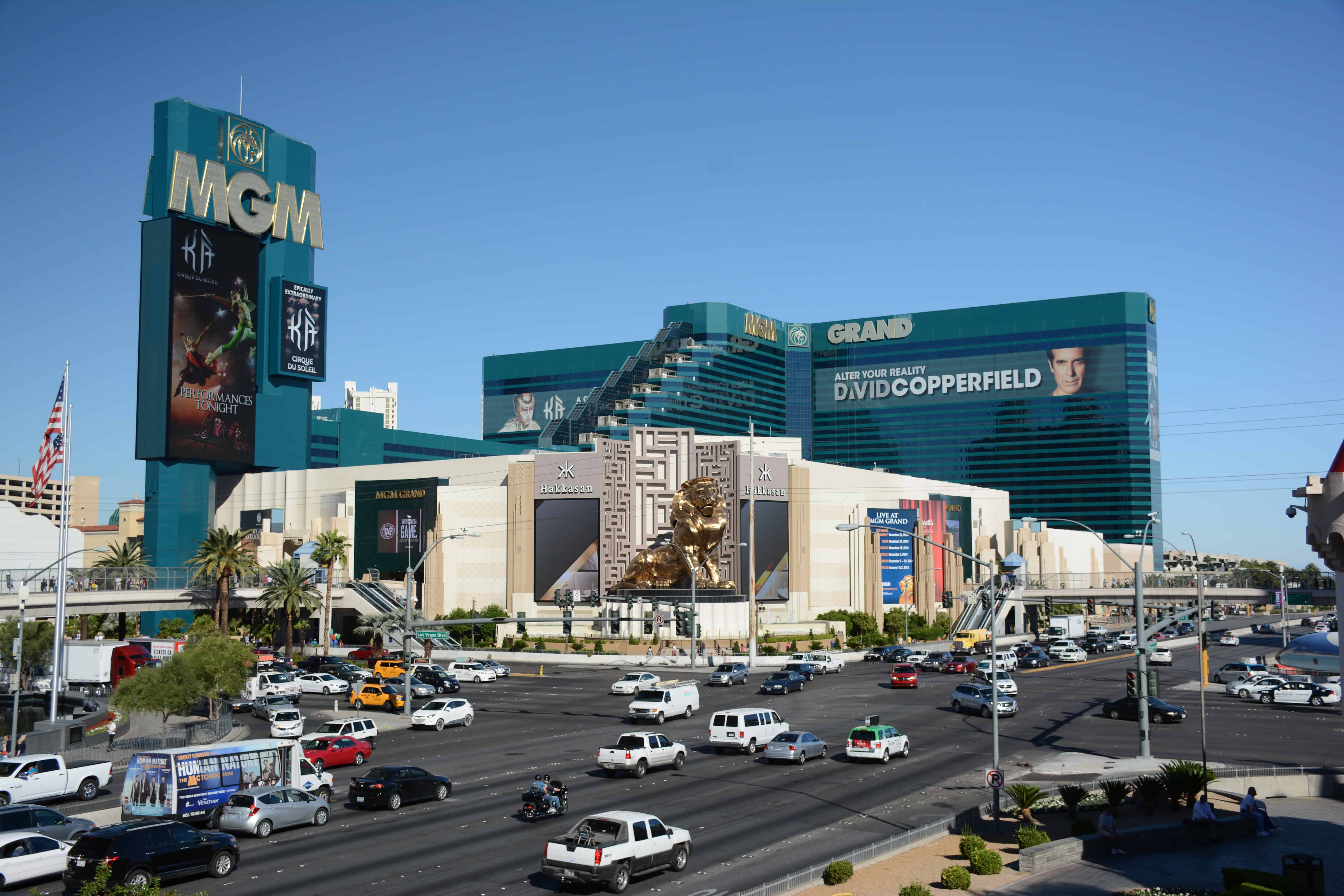
In a significant legal decision, the U.S. Court of Appeals for the Third Circuit ruled in April 2025 that BetMGM isn’t liable for the losses of someone suffering from problem gambling and addiction.
Sam A. Antar of New York claimed the company exploited his addiction to online gambling over a roughly two-year period. Under the 12-page opinion, Antar can’t sue BetMGM, which uses tactics such as a Derek Jeter endorsement to promote gambling.
The opinion was designated as “not precedential” but does reaffirm the longstanding and widespread legal stance that U.S. casinos aren’t obligated to protect individuals from the consequences of gambling addiction.
Under New Jersey law, casinos are required to “assist players in obtaining information regarding help for a gambling problem and self-exclusion programs,” but they are not required to cut off or limit the gambling of someone actively showing signs of a problem.
In essence, the casino industry says, “There is help available, but it’s not going to come from us.”
Antar vs. BetMGM case background
Antar, an heir to the “Crazy Eddie” electronics chain, filed a lawsuit against MGM Resorts International, BetMGM, Borgata Hotel Casino & Spa, and other entities.
He alleged that from 2019 to 2020, the defendants enticed him to gamble excessively, resulting in over $24 million in wagers and more than 100,000 online bets.
Antar said that VIP hosts, aware of his gambling addiction, persistently encouraged him through bonuses, credits, and personalized communications such as emails, texts and push notifications.
VIP hosts receive state-mandated training authorized under the Casino Control Act (CCA) to “recognize” signs that a customer has a gambling problem.
BetMGM not responsible for gambling addiction
The Third Circuit upheld the dismissal of Antar’s claims, agreeing with the lower court’s findings.
The court determined that BetMGM had no “duty of care” because New Jersey law does not impose a duty on casinos to prevent compulsive gamblers from betting.
Secondly, the court ruled that the New Jersey Consumer Fraud Act is inapplicable because Antar failed to demonstrate that the casino engaged in deceptive practices as defined by law.
Furthermore, the court said it was impossible to ascertain how much of Antar’s losses were directly attributable to the casino’s actions versus his gambling addiction on BetMGM.
“Antar does not explain how the court would be able to differentiate the losses he suffered as a result of the defendants’ alleged conduct versus those losses he suffered as a natural result of playing a game where the odds are stacked against the player,” the ruling stated.
The judge cited a 1995 case involving a Donald Trump-owned Atlantic City casino. In this case, Hakimoglu v. Trump Taj Mahal Assocs., it was determined that gambling losses “present almost metaphysical problems of proximate causation.”
The Trump Taj Mahal case held that casinos do not owe a duty of care to patrons who incur gambling losses after being overserved with alcohol.
Win for the gambling industry
While a victory for BetMGM, it’s an even bigger, albeit unsurprising, win for the industry.
State-sanctioned online gambling is still nascent in the U.S., with only a handful of states sanctioning online casinos. Many more allow online sports gambling.
The Antar ruling reinforces the legal precedent that casinos are not responsible for monitoring or intervening in the gambling behaviors of their patrons, even if signs of addiction are evident.
It underscores the limitations of current laws in addressing compulsive gambling. Antar is one of many people who have suffered from BetMGM gambling addiction.
Antar’s legal team has expressed disappointment with the decision and is considering appealing to the U.S. Supreme Court. They aren’t likely to be successful but the fight is worth it.
They argue that the current legal framework inadequately protects individuals with gambling addictions and fails to hold casinos accountable for exploitative practices.
The case serves as a reminder of the mind-boggling complexities surrounding gambling addiction and the legal responsibilities of online casino operators.
Image by Filip Filipović from Pixabay
Discover more from GamblingHarm.org
Subscribe to get the latest posts sent to your email.