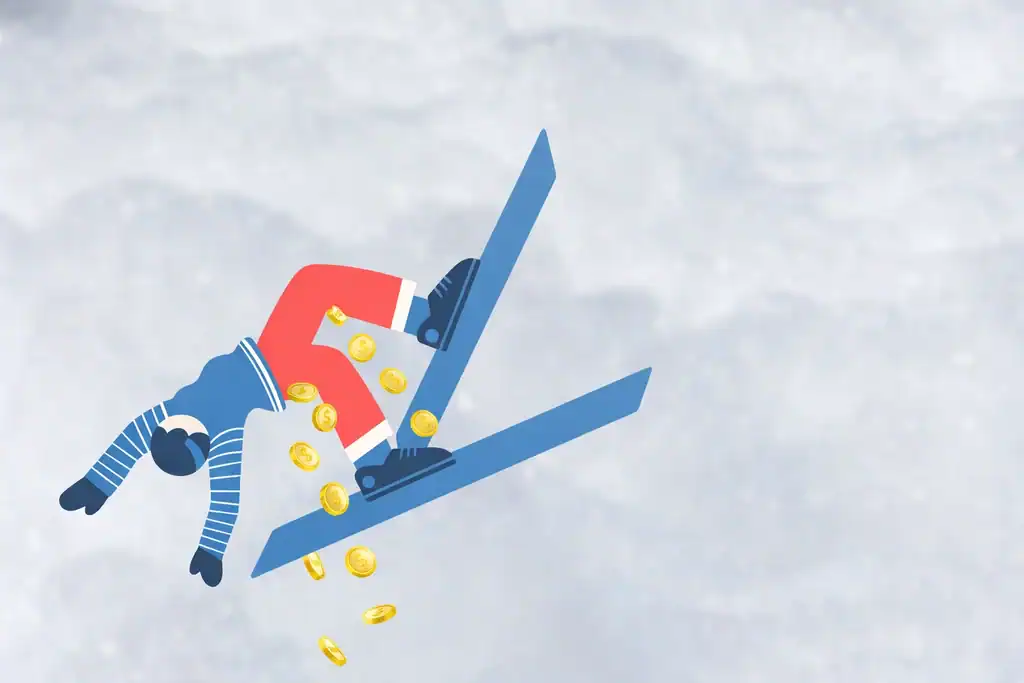
Problem gambling (also known as gambling disorder) is an addictive behavior that often leads to chronic stress in affected individuals.
Unlike casual gamblers, those with gambling problems experience significant adverse consequences that can hurt their finances and personal lives.
Research suggests that stress plays a key role in the development and maintenance of gambling disorder. How one responds to stress may also determine who loses control of their gambling.
The harmful outcomes of problem gambling create a cycle of ongoing stress for the individual.
Linking Gambling Behavior and Stress
Several mechanisms explain how gambling addiction triggers a stress response and leads to chronic stress in individuals.
Financial Strain and Debt
Problem gamblers frequently incur large financial losses. Mounting debt, unpaid bills, and the threat of bankruptcy generate intense chronic stress.
Health experts note that many gambling-related health problems stem from stress over “large financial debt” and lack of self-care while chasing losses.
Indebtedness is one of the main stressors identified in gambling-related suicides, showing how severe financial strain can become overwhelming.
Guilt, Shame and Secrecy
People with gambling problems often feel profound guilt and shame. They may hide the extent of their gambling from loved ones, which can create severe emotional stress.
Studies report intense levels of guilt and shame as common psychological consequences of problem gambling.
This ongoing shame and secrecy acts as a chronic stressor, as the gambler is anxious about being discovered or judging themselves harshly.
In some cases, the combination of shame and financial ruin can contribute to suicidal ideation.
Relationship Conflict
The deceptive behaviors and financial fallout of gambling often lead to strained relationships.
Conflicts with spouses or family members – due to broken trust, arguments over money, or neglect of responsibilities – add another layer of chronic stress.
The social consequences of problem gambling commonly include “strained interpersonal relationships” and even legal or work problems.
Constant interpersonal conflict and the potential loss of important relationships serve as ongoing sources of stress for the gambler.
Escape and Cycle of Stress
Ironically, many individuals begin gambling as a way to cope with or escape stress. Gambling can provide temporary relief or a “numbing” distraction from life’s problems.
However, this coping mechanism backfires when gambling losses and consequences pile up. What starts as gambling to relieve stress often makes gambling itself a significant stressor.
This creates a vicious cycle: The more one gambles to escape anxiety or depression, the more financial and emotional problems accumulate, leading to even greater stress.
Physiological Stress Response
Chronic gambling may also alter an individual’s biological stress responses.
Some research suggests that an altered stress physiology (for example, dysregulated cortisol levels or heightened arousal) can predispose a person to developing gambling disorder.
In other words, individuals who are biologically more reactive to stress or who have poor stress regulation might be more vulnerable to using gambling as a maladaptive stress outlet.
Over time, the continuous activation of the body’s stress response from repeated gambling can lead to a state of chronic stress arousal.
Chronic Stress in Problem Gamblers
Continuous stress from uncontrolled gambling manifests in a range of psychological and physical symptoms.
People with gambling disorder often experience many of the hallmark signs of chronic stress.
Anxiety and Worry
Heightened anxiety is one of the most common symptoms observed in problem gamblers.
They may often feel on edge, worried about mounting debts, possible financial ruin, or the consequences of their actions.
Nearly one-third of problem gamblers develop a clinically significant anxiety disorder, and anxiety tends to increase with the severity of the gambling problem.
Gamblers often report feelings of nervousness, tension, and panic. This persistent anxiety can interfere with daily functioning and sleep.
Sleep Disturbances
Chronic stress from gambling frequently disrupts normal sleep patterns.
Many problem gamblers suffer from insomnia – they have trouble falling asleep or staying asleep due to worry or directly because of late-night gambling sessions.
The blue light of casino apps can exacerbate sleep issues.
A large-scale study found that individuals with gambling disorder were over three times more likely to report severe sleep problems (difficulty initiating or maintaining sleep) compared to non-gamblers.
Compulsive gamblers had significantly higher odds of experiencing all types of sleep issues (such as insomnia and early-morning awakening).
Such prolonged sleep deprivation further worsens stress and impairs emotional regulation.
Irritability and Mood Swings
Chronic stress and withdrawal from the “high” of gambling can make individuals irritable or restless.
Problem gamblers can become short-tempered, agitated, or angry, especially when they can’t gamble or are confronted about their behavior.
Clinical descriptions of gambling withdrawal include “restlessness or irritability when not gambling” as a key symptom.
Gamblers under stress may lash out at loved ones or experience mood swings – cycling between hopefulness while winning and frustration or anger when facing losses.
Physical Symptoms
Long-term stress from gambling can also take a dramatic toll.
Stress-related health issues are more common in problem gamblers, including high blood pressure, headaches, gastrointestinal problems, and other ailments.
Research has noted that problem gamblers are at increased risk for stress-related conditions like hypertension, heart disease, and peptic ulcers.
Chronic stress hormones and anxiety can manifest in bodily symptoms such as muscle tension, palpitations, or appetite changes.
Over time, the combination of physical stress symptoms and unhealthy lifestyle (lack of sleep, poor diet while gambling) further degrades the individual’s health.
Long-Term Mental Health Impacts
If unchecked, the chronic stress and negative outcomes associated with problem gambling can lead to serious long-term mental health problems.
Some of the major psychological impacts include:
Depression and Emotional Collapse
Repeated gambling failures and the accompanying stress often culminate in depression.
Problem gamblers may feel hopeless and despondent as they grapple with financial ruin and damaged relationships. In many cases, a major depressive episode is triggered or worsened by gambling losses.
A meta-analysis found that about 38% of problem gamblers have a co-occurring mood disorder like depression.
In severe instances, the combination of depression and mounting life stressors leads to suicidal ideation. Studies indicate problem gamblers have extraordinarily high suicide rates; roughly one in five problem gamblers attempts suicide, the highest rate among addictions.
Substance Abuse and Addictive Coping
Another long-term impact is the high rate of substance use disorders among problem gamblers. Research shows that over half of people with gambling disorder also have substance abuse disorder.
Some individuals turn to alcohol or drugs as a way to cope with the stress, guilt, and sleeplessness caused by gambling. Underlying issues can make problem gamblers prone to multiple, and sometimes simultaneous, addictions.
Dangerously, substance abuse in the equation creates a compounding effect, introducing new health issues and worsening depression and anxiety.
This comorbidity with gambling addiction makes recovery more challenging, as the gambling and substance addictions must be addressed together.
Chronic Anxiety and Other Disorders
The mental health effects of problem gambling are not limited to depression and substance abuse. Many affected individuals develop long-lasting anxiety disorders or exacerbate pre-existing ones.
Approximately 37% of problem gamblers have an anxiety disorder (such as generalized anxiety or panic disorder) alongside their gambling problem.
Worry about debts, fear of consequences, and the arousal of gambling itself can lead to chronic anxiety that persists even when not gambling.
Some gamblers also experience extreme stress reactions or trauma-like symptoms, especially if their gambling led to catastrophic life events (e.g., loss of a home or divorce).
Over time, the accumulation of stress and trauma can contribute to emotional breakdowns, or even conditions like post-traumatic stress disorder.
The overall picture is one of greatly elevated psychological distress – problem gamblers have significantly worse mental health on nearly every measure compared to the general population.
Conclusion
Problem gambling and chronic stress are deeply interlinked in a destructive cycle.
The behavior of compulsive gambling generates powerful stressors – financial ruin, guilt, and conflict – which in turn produce a range of stress symptoms and psychiatric problems.
Over the long term, individuals with gambling disorder often face deteriorating mental health, including high rates of depression, anxiety, and substance abuse.
Research from psychology and psychiatry consistently shows that gambling addiction is as much an emotional stress disorder as it is a behavioral addiction.
Effective treatment thus not only aims to stop the gambling behavior but also to relieve the underlying stress and address co-occurring mental health issues.
Breaking the gambling-stress cycle is crucial for recovery, as reducing chronic stress can help improve the individual’s overall well-being and reduce the urge to return to damaging gambling habits.
Sources
- Prevalence of comorbid disorders in problem and pathological gambling: systematic review and meta-analysis of population surveys (Link)
- Pathological Gambling, Problem Gambling and Sleep Complaints: An Analysis of the National Comorbidity Survey (Link)
- Gambling addiction can cause psychological, physiological health challenges (Link)
- The Biopsychosocial Consequences of Pathological Gambling (Link)
- Stress and Gambling (Link)
Image by Zdenek Tobias from Pixabay
Discover more from GamblingHarm.org
Subscribe to get the latest posts sent to your email.