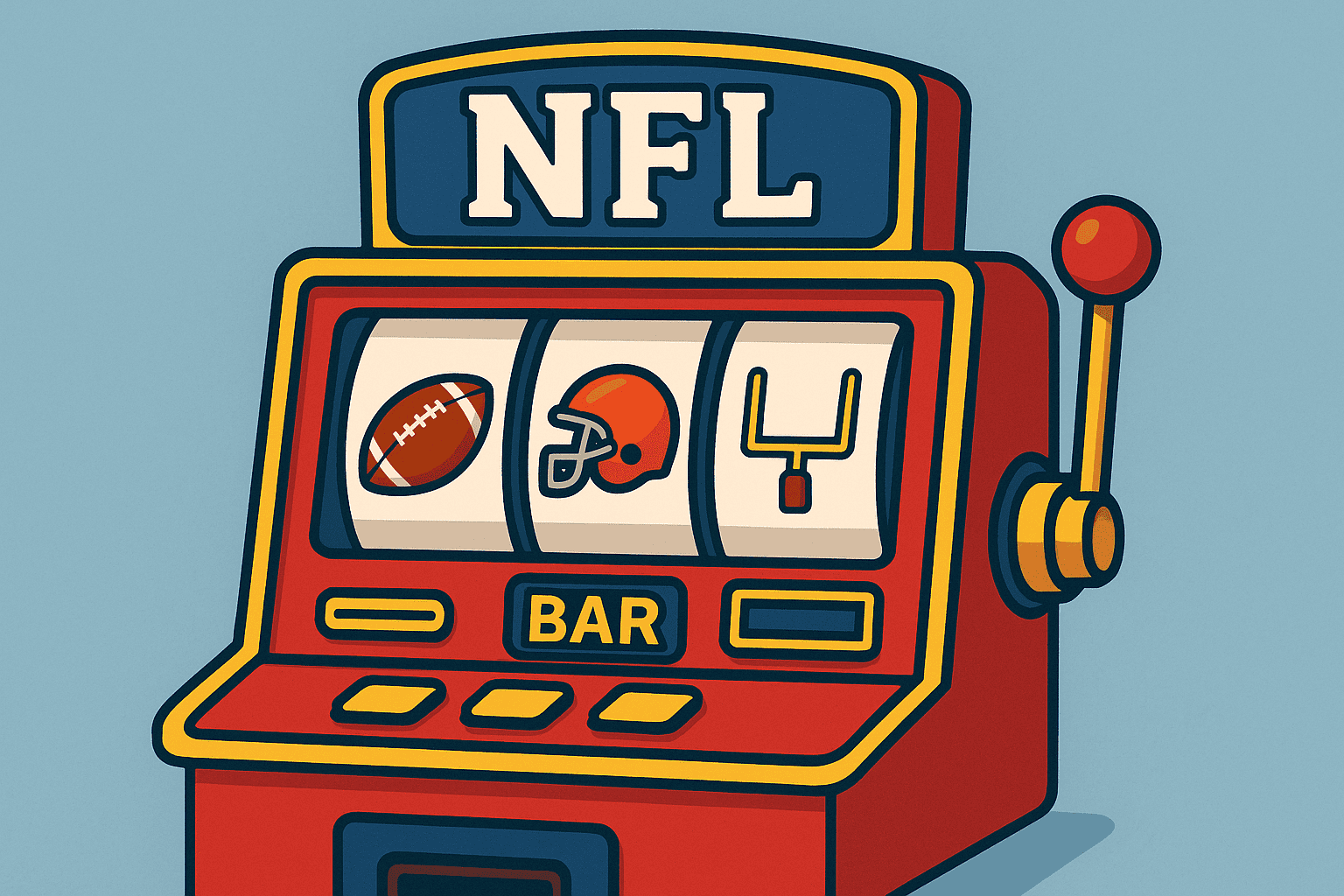
Whether or not to bet on sports can be a difficult question these days. Sports gambling is virtually everywhere through ubiquitous advertising.
This article will explain why you can enjoy sports without making a bet on the outcomes.
While sports wagering can be harmless for some, there are several reasons why it’s not advisable for many others. Many of the reasons discussed in this article will overlap.
Sports gambling can lead to addiction, stress, financial problems, lost time with family or friends, and much more. Most of these reasons center around the risks to your mental health.
Betting too much often leads to chasing losses, one of the core features of problem gambling.
Let’s dive deeper into why sports betting abstinence is the right move for a great many people.
Addiction Potential of Sports Betting
Gambling, especially sports betting, can be highly addictive.
Many individuals quickly show signs of a sports betting addiction, leading to negative impacts on their personal, professional and financial lives. According to Gambling Harm’s analysis of sports betting addiction statistics, 30-40% of online sports bettors experience problems.
Gambling apps are designed to be addictive, so no one should feel ashamed for struggling with their activity on the platforms. However, it’s time to seek help if you find it difficult to stop betting.
Gambling problems can strain relationships with family and friends, especially if gambling leads to financial instability or if significant time is spent betting instead of with loved ones.
Emotional Stress of Gambling
People often use sports betting as an attempt to relieve stress or deal with other mental health issues. But gambling can soon become a new source of stress and mental anguish.
The highs and lows associated with winning and losing bets can lead to emotional stress, anxiety and depression. Don’t gamble if you are already dealing with these issues.
Stress, anxiety and depression associated with betting can be exacerbated if gambling significantly impacts your finances. Nearly all sports bettors lose in the long run.
Gambling can also be bad for your heart and your marriage if you have one.
Opportunity Costs
Money and time spent on sports betting could be invested in other activities or opportunities, including time with family and friends, hobbies, education or savings for future goals.
Sports betting isn’t a reliable way to make money. Gambling isn’t a good idea if you want a side hustle or second source of income.
If you start to win at sports betting, you might be subjected to a sportsbook limiting your bet sizes. The industry prefers people who bet on long-shot parlays.
If you want to build a better future for yourself or your family, starting a business is usually a better option than trying to “make it” as a sports bettor.
Of course, many businesses lose money, and starting one is beyond this article’s scope. Still, sports betting is probably a poor choice if you want a more financially stable future.
One of the core components of a sports betting addiction is relationship loss.
While you might not lose or damage any of your relationships if you are able to bet on sports with moderation, you are losing time you could have spent nurturing the relationships that mean the most to you.
Bottom line: Gambling has little purpose if you aren’t looking to win money.
Because sports gambling isn’t a reliable way to make money, you’re wasting your time. For every minute or hour spent betting, you could have spent it on other activities that enrich your life.
Ethical Considerations
There are ethical considerations around supporting industries that cause widespread harm through addiction.
Even if you can bet on sports in moderation, your patronage helps legitimize and bolster a predatory and addictive product.
According to a 2024 sports betting study, the vast majority of sports betting industry revenue comes from a small but extremely active population of gamblers. If it weren’t for gambling addiction, the sportsbook apps wouldn’t be in business.
Sports betting advertisements are misleading and predatory. If you’re lucky enough to be unswayed by the barrage of ads, think of all the people who are not and fall prey to the deception and the lie that sports gambling is “so much fun.”
There are other vice industries, such as alcohol. However, the sports gambling industry has far less of a social benefit (if any at all) and is more predatory.
Unpredictability of Sports Betting
Sports outcomes are inherently unpredictable. We’ve already discussed why you shouldn’t try to make an income from gambling.
Even with research and knowledge of the sports you enjoy, unexpected outcomes can lead to losses, undermining the idea that skill can overcome luck in betting. Sports betting is not skill-based, as it’s a house-banked casino game.
Don’t believe gambling YouTubers who say things like there is a so-called luckiest casino in the U.S.
Betting can give the illusion of control over sports outcomes, leading individuals to overestimate their ability to predict results and make winning bets. This goes back to the addiction potential.
The state of mind from gambling may adversely impact other areas of a person’s life.
It’s very challenging for individuals to objectively assess their life risk associated with betting on sports. We recommend abstinence if you are unsure about how the highly unpredictable and addictive activity might impact you.
Conclusion: Should I Bet on Sports?
Sports betting may seem like a harmless thrill, but the risks far outweigh the rewards.
Psychologically, it can lead to false confidence, bad habits like chasing losses and even addiction. Financially, it can drain your bank account, saddle you with debt and destabilize your life.
The occasional win is not worth the long-term pain of potential debt and stress.
If you enjoy sports, you can get plenty of excitement from the game without gambling.
Think of betting as an expensive form of entertainment. If you indulge, set strict limits and never gamble money you can’t afford to lose. But also know that many people fail at these things.
Ultimately, the smartest bet is to keep your hard-earned money safe and enjoy sports without the gamble.
Image by Oleksandr Pidvalnyi from Pixabay.
Discover more from GamblingHarm.org
Subscribe to get the latest posts sent to your email.