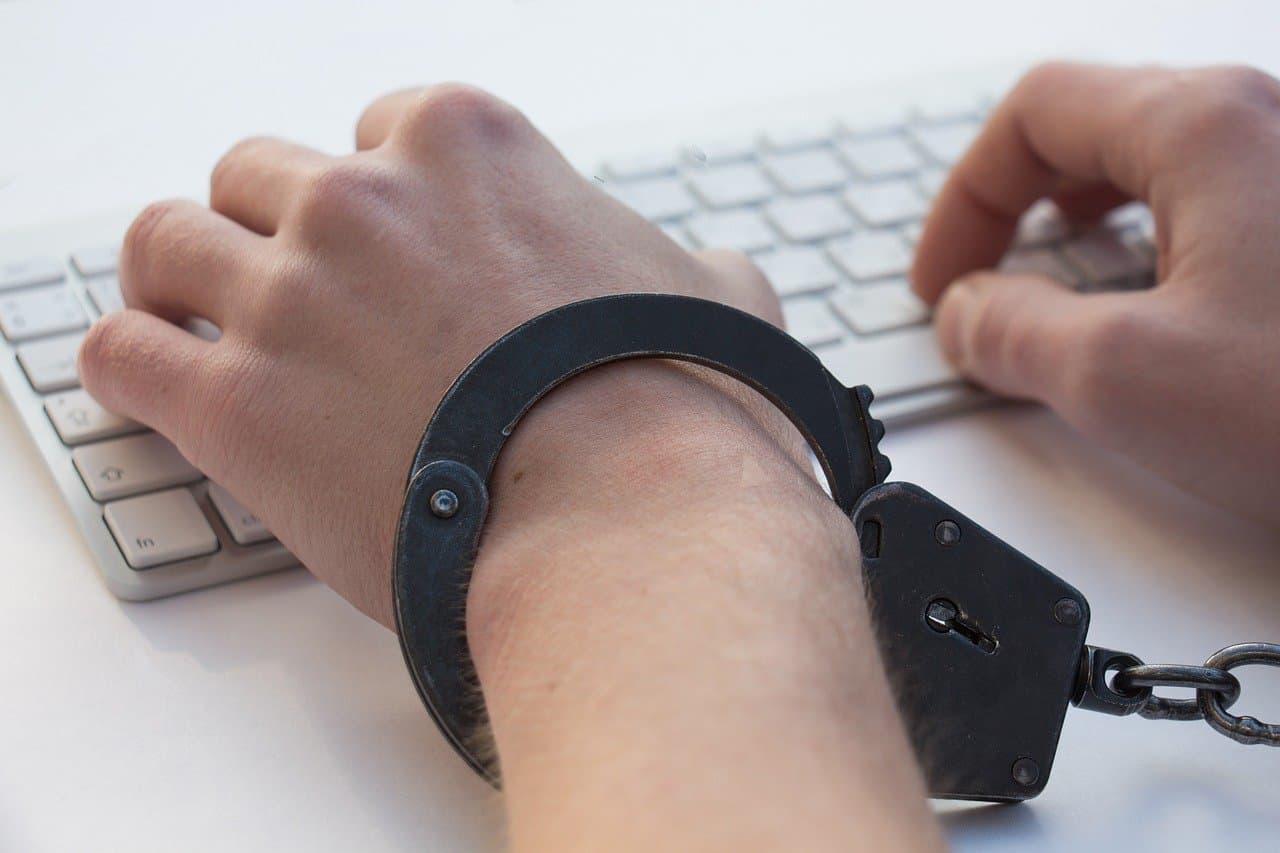
Once online gambling in any form has become a problem, it can prove challenging to quit.
A gambling addiction is a serious condition requiring prompt action to prevent further harm.
Please remember that you are not alone in your addiction and that many people have recovered and healed from a gambling addiction. It’s never too late to stop gambling and repair your life.
This article, which is for informational purposes only, will cover what you need to know about beginning your journey away from gambling, including tips on how to quit and enter recovery.
Is Gambling Addiction Real?
Yes, a gambling addiction is real. It’s not made up, and people suffering from it are experiencing a crisis. There should never be stigma around gambling addiction.
The American Psychiatric Association classifies gambling addiction under the term disordered gambling.
It’s a real mental health issue for many millions of people.
Other widely used terms for gambling addiction include problem gambling and compulsive gambling. Countless academic institutions and journals have researched this affliction, further cementing gambling addiction as real.
The stigma around gambling addiction can undermine society’s perception of the disorder. You might encounter misinformed or malicious people who say gambling addiction is not a real thing.
If you think you have a gambling addiction, please remember you are not alone. Don’t be overwhelmed by questions about how to quit gambling.
Around 40% of online sports bettors experience issues with their play. There have been many prominent stories of betting addiction in the professional sports world.
How Do I Know If I Should Quit Gambling?
If you want a formal diagnosis of disordered gambling, you will need to see a mental health professional. However, you can look at the signs of a gambling problem yourself.
It’s always a good idea to take a break from gambling if you are concerned.
Here are the main signs that indicate you may have a gambling problem:
- Preoccupation with gambling (including disrupted sleep)
- Needing to gamble with increasing amounts of money
- Inability to control or cut back on gambling
- Restlessness or irritability when attempting to cut down or stop gambling
- Using gambling to escape problems or relieve feelings of anxiety or depression
- Chasing losses
- Lying about your gambling activity
- Jeopardizing or losing romantic relationships, a job, or educational/career opportunities
- Borrowing money to relieve desperate financial situations caused by gambling
Some of these signs overlap. For example, if you are chasing losses it presupposes that you are preoccupied with gambling and are losing your ability to control your betting.
Strategies on How to Quit Gambling
It can be challenging to stop gambling if you have a problem. However, many people have successfully managed to end their compulsive betting, and so there is a blueprint to follow.
Here are some of the most trusted steps to quit gambling for good.
First Step: Admit The Problem
You must be honest with yourself if you think you have a problem. You need to trust yourself that what you observe as problematic in your own behavior is reality.
Denial is a powerful force, but once you admit to yourself that you need to stop gambling and seek help, you have already cleared a major hurdle on your way to recovery.
Journaling is a useful tool to help track your thoughts, allowing you to revisit past thoughts and notice thought patterns and traps. Keeping a log of how gambling makes you feel can give you the evidence you need that your betting is out of control.
Tell People Close to You
If you have people you trust, you should tell them about your struggles with gambling. This can include family, friends, colleagues, etc.
Telling someone else about your addiction can be powerful in your recovery journey.
You don’t need to tell everyone about your addiction. Pick the people you trust the most.
It’s OK if you don’t have anyone you trust enough to talk to. You can get professional help.
Call a Gambling Helpline
Even if you aren’t in the middle of a gambling addiction-related crisis, it never hurts to call a gambling helpline, such as 1-800-GAMBLER, to talk to someone anonymously.
The helpline can also help you obtain resources for seeking professional help.
Seek Professional Counseling
It’s highly recommended to talk to a trained medical professional to explore the underlying reasons for your gambling addiction.
Remote and in-person options are available.
The intensity of your therapy depends on your specific problems.
Support Groups
Besides counseling, you can benefit from a gambling recovery coach or a support group.
Gamblers Anonymous (GA) is the best-known option. GA has a 12-step program where individuals share their experiences and support each other in recovery.
You can find a GA meeting near you.
Online, there are communities built around gambling addiction. You can find Discord groups and forums, such as Reddit’s r/ProblemGambling, to connect with others.
If you’re looking to join a movement against gambling harm, you can join Family and Friends of Gamblers.
Delete & Block Apps
After you’ve admitted a problem and started talking to people about your addiction, it’s time to get rid of gambling apps and websites from your devices.
Here are some software options that can help you block gambling apps and websites:
- Gamban: Blocks access to thousands of gambling sites and apps on your devices.
- BetBlocker: Free blocking of gambling sites/apps with customizable exclusion periods.
- Net Nanny: A general filtering tool that can be configured to block gambling sites.
- Cold Turkey Blocker: Can block gambling sites and schedule blocks for set periods.
- Freedom: Blocks gambling apps across multiple devices with customizable options.
These tools can help create a safer online environment and support efforts to avoid gambling.
Self-Exclude from Gambling
Many people with a gambling addiction might need a more permanent solution than an app or website blocking service to help quit online gambling. If you have had a problem with in-person gambling, restricting online betting site access won’t be enough.
Self-exclusion is a process that allows individuals to ban themselves from gambling establishments and online gambling sites. Here are steps to self-exclude from gambling:
- Identify Gambling Venues: Determine the casinos, betting shops, or online gambling sites you use and the jurisdictions in which you gamble.
- Contact Venues or Sites: Reach out to the customer service departments of these venues or websites. Many have self-exclusion programs facilitated by the state.
- Complete Forms: Fill out any required forms given to you by gaming agents or casino staff, which include personal information and identification.
- Set Exclusion Period: Decide on the length of the exclusion period, which can range from months to a lifetime. Talk to your therapist about self-exclusion options.
- Submit Requests: Submit the completed forms and any required documents.
- Confirm Exclusion: Ensure you receive confirmation of your self-exclusion and keep records for your reference and for any mental health treatment you receive.
- Inform Support Networks: Inform family and friends about your decision to self-exclude to gain their support. There is no shame in seeking help for a gambling addiction.
Self-exclusion can be a powerful tool in maintaining control over gambling behavior and supporting recovery efforts. A state gambling commission usually oversees the process.
New Activities
We recommend finding new hobbies and interests, or returning to ones you once had, to fill the time previously spent on gambling.
Exercise is also a great outlet to help take your mind off gambling and improve your quality of life. Exercise can help relieve the stress caused by gambling and aid the process of quitting.
Gambling, such as poker and sports betting, involves some strategy, so you can turn to other strategy games to fill the void. Chess is an example, and if you love card games, you can find groups or websites to play non-gambling games such as euchre or spades, for example.
Taking classes in your area, such as cooking or art, can also be a great way to make new friends and gain a new skill, while boosting your self-esteem while you’re in recovery.
Take a Break From Watching Sports
If you have a problem with sports betting, it’s important to avoid overexposure to gambling advertisements. Unfortunately, it’s impossible to watch most sports these days without seeing gambling ads, both during the game and during breaks in action.
During the early stage of your recovery from gambling addiction, you might need to consider a break from watching sports to give yourself a reprieve from these advertisements.
One of the main reasons not to bet on sports is that if you do develop an addiction, the joy you once had watching sports could be severely damaged.
Benefits of a Gambling Therapist
A healthcare provider may prescribe medication to deal with underlying anxiety and/or depression that has made you susceptible to gambling addiction.
Intensive therapy could also be needed alongside medication to successfully quit gambling.
Therapy for a gambling problem offers numerous benefits, including:
- Understanding Triggers: Identifying the triggers that lead to gambling.
- Enhancing Self-awareness: Gaining insight into personal thoughts, behaviors, and patterns related to gambling and what triggers the urge.
- Addressing Underlying Issues: Treating co-occurring conditions like depression, anxiety, obsessive compulsive disorder, or substance abuse.
- Developing Coping Strategies: Learning healthier ways to cope with stress, anxiety, loneliness, and other emotional issues caused by your daily life.
- Improving Relationships: Developing a plan to begin repairing relationships with family and friends that may have been damaged by gambling.
- Building a Support System: Creating a network of support and friendship through group therapy or counseling sessions.
- Relapse Prevention: Developing a plan to prevent relapse and maintain recovery. Studies have found that around 90% of problem gamblers relapse.
Therapy provides a structured and supportive environment to address and overcome addiction.
Patience with Yourself in Quitting Gambling
Having patience is crucial in the recovery from a gambling addiction for several reasons:
- Gradual Progress: Recovery is a step-by-step process that takes time. Expecting immediate results can lead to frustration and relapse.
- Forming New Habits: Developing healthy habits and coping skills requires consistent effort and time. Healing and rebuilding self-esteem don’t happen overnight.
- Financial Recovery: Addressing financial issues resulting from gambling requires a structured plan.
- Relationship Repair: Rebuilding trust and repairing relationships with family and friends requires patience and consistent positive behavior.
- Managing Relapse: Patience helps with urges and setbacks, allowing for long-term sustainable recovery. Around 90% of people with gambling addiction have a relapse.
Patience supports the development of a stable, long-term recovery, allowing individuals to progress at a manageable and realistic pace. Be honest and open with people you trust about your recovery journey. Remember that you aren’t alone.
Can You Quit a Gambling Addiction?
While there is no guaranteed way to quit a gambling, it can be effectively managed and treated. Depending on the severity of your addiction, it could be a challenging process.
Recovery involves ongoing effort and support, but many people successfully manage their gambling addiction and lead healthy, fulfilling lives.
If you have an addiction, quitting entirely is often recommended. Here are some reasons why:
- Risk of Relapse: Even small amounts of gambling can trigger a relapse.
- Addictive Behavior: Gambling addiction is similar to other addictions, where abstinence is usually the safest approach to avoid further problems.
- Maintaining New Lifestyle: Once you have created a life away from gambling, any return to gambling can throw off your equilibrium and undermine your progress.
Maintaining abstinence is a key component of managing a gambling addiction.
Image via Pixabay.
Discover more from GamblingHarm.org
Subscribe to get the latest posts sent to your email.