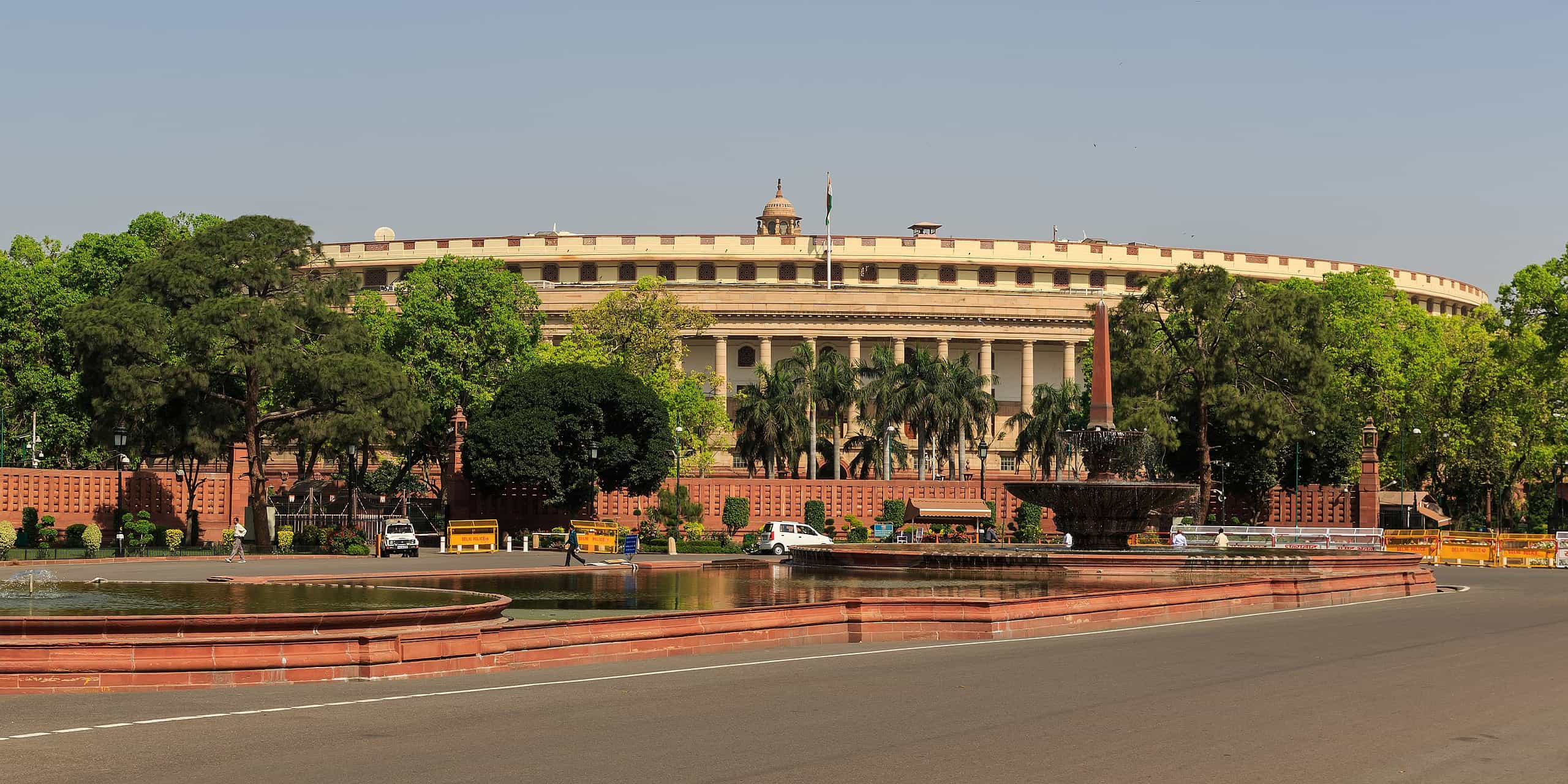
India law could soon protect users suffering from online gambling addiction.
In late August 2025, the government in New Delhi passed a blanket ban on online real-money gaming, or gambling, regardless of whether games are based on skill or chance.
The ban includes popular fantasy sports leagues played for money. In India, cricket is the most popular sport for fantasy-style gambling.
According to the Promotion and Regulation of Online Gaming Act, 2025, the law prohibits all forms of real-money online gaming.
India’s Legal Definition of Gambling
Real-money online gaming is defined as a game played by depositing money in expectation of winning something of value (the basic definition of gambling).
Advertisements and financial transactions related to these platforms would also be banned.
“Such games often use manipulative design features, addictive algorithms… while promoting compulsive behaviour leading to financial ruin,” the bill said, according to Reuters.
One government official in the Indian state of Telangana called the proposed ban “historic” for protecting “the very social fabric of our society from the dangerous consequences of gambling addiction.”
Prime Minister Responds
PM Shri Narendra Modi said he supported both houses of India’s parliament passing the Promotion and Regulation of Online Gaming Bill of 2025.
Modi said the legislation “highlights India’s commitment towards becoming a hub for gaming, innovation, and creativity.”
He stated that the bill will encourage e-sports and online social games, while at the same time protecting society from the harmful effects of real-money gambling.
Provisions of the Online Gaming Act
The legislation outlines strict measures designed to curb real-money gaming in India:
- Ban on financial transactions: No bank, financial institution, or payment facilitator will be allowed to process funds for real-money gaming services.
- Criminal penalties: People behind illegal gambling sites and apps could face up to three years in prison and fines of up to ₹10 million (~$115,000).
- Celebrity liability: Public figures, such as athletes, promoting banned games could face two years’ imprisonment or fines of ₹5 million (~$57,000).
- Regulatory authority: The Indian government would establish a regulator to oversee enforcement of the law.
Why India is Targeting Gambling Sector
This is not India’s first attempt to regulate online gambling.
The prohibition bill comes after years of public concern over gambling harm, including cases of suicide linked to chasing losses. One-in-five problem gamblers attempt suicide.
While many incidents involve illegal offshore betting apps, domestic companies have also caused controversy.
In 2023, India amended its Information Technology Rules to curb harmful real-money games.
However, disagreements among industry stakeholders led to the collapse of that framework.
The 2025 legislation is a more aggressive approach for India.
Economic Impact of India Online Gambling Ban
India’s gaming industry has been among the fastest-growing in the world.
According to Lumikai, a gaming-focused VC firm, the sector in India is worth billions of dollars annually and could grow to $3.6 billion by the end of the decade.
While small in comparison to the U.S. online gambling market, India is a major market.
Popular online gaming brands in India include Dream Sports, Games24x7, and WinZO.
According to Al Jazeera, the Indian government said that about 1/3 of the country’s 1.45 billion people had lost money through online gambling.
That’s nearly 500 million Indians who have suffered online gambling losses.
The India online gambling law aims to protect people from addiction and financial harm.
What’s Next for India’s Online Gaming Law
The full online gambling ban could force many companies to shut down or move operations overseas. Relocating overseas could protect owners from facing criminal penalties in India.
Real-money online gaming companies may also tweak their business models.
According to Alun Bowden, SVP of Strategic Insight at Eilers & Krejcik Gaming, the India ban could benefit an offshore online gambling site like Stake.com, which relies on cryptocurrency transactions.
Stake operates under a dual-currency model, which critics say helps it circumvent gambling laws across the globe.
The global online gambling industry is quick to adapt to circumvent anti-gambling laws.
Gambling industry lobbyists opposed the ban, calling for regulation instead. Their opposition wasn’t effective.
Discover more from GamblingHarm.org
Subscribe to get the latest posts sent to your email.