A peer-reviewed study in the Journal of Gambling Studies shows loneliness might play a role in turning “social” gambling into a pathway for harm and addiction.
Researchers examined the link between social motives for gambling (such as going to a casino to connect with others) and problem gambling among people who also reported loneliness.
Published in 2025, the paper surveyed a U.S. census-matched sample of 2,835 adults in 2022.
The findings come as a global “loneliness epidemic” gains awareness, particularly following a 2023 report from the U.S. Surgeon General and a 2025 report from the World Health Organization.
Alongside that crisis is growing worldwide gambling addiction, especially with online betting.
Gambling When Lonely is a Risky Idea
For years, social motives have been considered among the least risky reasons people gamble. In its “Have a Game Plan” campaign, the U.S. casino industry tells sports bettors, who are at high risk of anger issues, to “keep it social.”
If you gamble, in whatever form, to be in connection with others — online or in-person — gambling is a healthier activity, right?
The study provided nuance on this view.
- When loneliness is low, social motives are not linked to higher problem gambling scores
- But, at average to high loneliness, social motives do predict more severe problems
At one standard deviation above the mean for loneliness, a one-unit rise in social motives was associated with a 0.19-point increase in Problem Gambling Severity Index (PGSI) scores.
The paper said this was evidence that isolation magnifies addiction risk.
Bottom line: If you feel loneliness in a significant way, using gambling as a way to connect with others or make friends (online or in-person) carries significant addiction risk.
The study did not show or prove that loneliness causes problem gambling.
‘Relatedness Frustration’ Tells Similar Story
The researchers, who came from Ohio, New Mexico, Nevada, and Florida, also examined “relatedness frustration” — the feeling that one’s need for meaningful connection isn’t being met. It’s a feeling similar to loneliness.
Results showed a significant interaction here as well. When relatedness frustration is low, social motives can be associated with a slightly lower problem gambling risk.
At average or higher frustration, social motives to bet become a risk factor.
Bottom line: Whether “social” gambling is harmful depends on the quality of someone’s social life. If you are feeling lonely, the best idea could be to avoid gambling — at least until the loneliness subsides.
The findings probably aren’t too surprising for people familiar with problem gambling.
Still, the stakes are high, as gambling addiction and suicide are tightly linked.
Significance for Prevention and Treatment
The survey’s findings elucidate the link between gambling addiction and loneliness.
People who bet to feel connected may chase that feeling harder when they’re isolated — potentially escalating from casual play to harmful behaviors. This dynamic is especially dangerous in the world of sports betting apps and online casinos. Users of these products can gamble anywhere, 24/7.
It might be helpful if specific screening for loneliness and unmet social needs becomes routine in gambling assessments.
Prevention campaigns could emphasize non-gambling alternatives (clubs, sports, volunteer groups) and encourage gamblers to work on noticing when they’re betting to fill a social void.
Clinicians treating gambling addiction could incorporate strategies aimed at rebuilding or strengthening the patient’s connection to others. It’s an uphill battle, as societal forces are making people feel lonelier.
What Gambling Addiction Policy Can Do
Gambling law reform could rein in advertising, which often portrays gambling as social. This type of marketing can exacerbate the risks between loneliness and gambling addiction.
No gambling venue should make the activity seem like a harmless social activity, but online casinos and betting apps especially should avoid promoting gambling in this way.
There is a global movement to reduce the presence of gambling ads in society. In the U.S., the SAFE Bet Act took aim at sports betting ads and inducements.
Apps should promote time-outs and safety check-ins during late-night sessions, which suggest a player might be isolated. New Jersey has considered changes to its gambling rules to address this player safety issue.
Celebrity endorsements of gambling products should be banned, but no U.S. betting state does so. These parasocial connections could be especially dangerous for gamblers experiencing loneliness.
In the U.S., athletes such as LeBron James, Derek Jeter, Mike Tyson, and Lonzo Ball have endorsed online gambling products. Slot influencers also attempt to appeal to the loneliness of viewers.
Are Gamblers Lonely?
Not all gamblers are lonely, but many experience this emotional state.
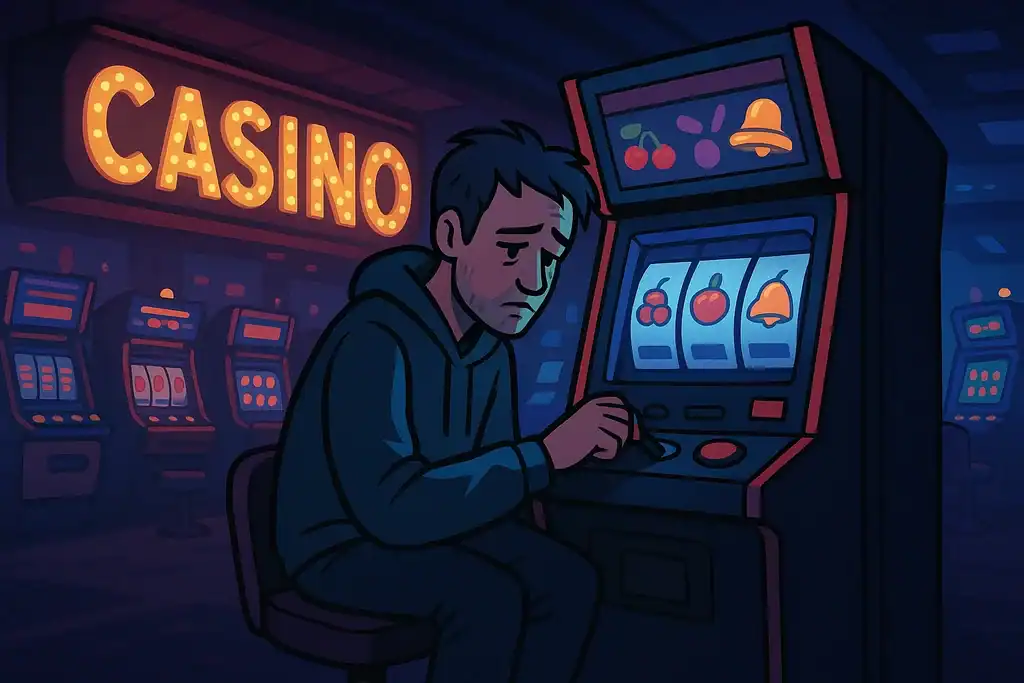
Many gamblers chase a feeling of belonging. Casinos can simulate this feeling, and online casinos/sportsbooks, whether it’s Stake, DraftKings, NFL Super Bowl Slots, or Kalshi/Polymarket, can feel strangely like a companion.
But the gambling platform doesn’t provide real friendship. Customer support or a betting app representative who reaches out with promo offers, unfortunately, isn’t your friend.
Inside a brick-and-mortar casino, the human connection could be stronger. Still, casino staff are rarely permitted to truly care about your financial well-being. Casinos are actually exploring ways to use AI to exploit gambler emotions.
Social media and internet forums/communities around gambling can reinforce feelings of belonging. While socially beneficial for some gamblers, it can create problems for others.
For people with gambling issues, losses often stay private, while casinos and apps sometimes parade player wins as marketing. The shame of losing can push people deeper into secrecy and isolation.
Loneliness and gambling addiction can feel like a paradox. Gambling can seemingly promise connection, but in reality, it often intensifies disconnection.
Sports Betting and the ‘Male Loneliness Epidemic’
Sports betting apps often market themselves as creating camaraderie — social media banter, team pride, competition among bettors, and so on.
For men who feel isolated, this type of marketing is particularly powerful.
Sports betting influencers also claim there is skill in gambling. Some bettors feel ashamed when they can’t beat the sportsbook and turn the activity into an income stream.
Betting group chats and forums can masquerade as brotherhood. Real friendships are possible, but building a social network centered on sports betting is risky.
The male loneliness crisis is a debated concept (many demographics see a loneliness epidemic), but it can’t be solved by expanding sports betting.
In fact, the sports betting industry arguably takes advantage of the crisis. Sports betting is often done alone, a behavior that could impact other industries.
Can You Deal with Gambling Addiction Alone?
This is not medical advice, but it is generally not recommended to deal with a gambling addiction by yourself. Seeking help is widely considered the best option.
Loneliness may have been a factor in your gambling addiction. Whether it was or not, addressing problem gambling should involve help and support from others.
Family, friends, and professional support are considered crucial to fighting this addiction.
Call or text 1-800-GAMBLER or 988 (U.S. Suicide & Crisis Lifeline) for confidential support.
Bottom Line: Can Gambling Help with Loneliness?
For many people, it is unlikely that gambling will help with loneliness.
Gambling can distract and simulate connection, but it is generally not an effective strategy for dealing with a feeling of being lonely.
Real connection requires reciprocity, and gambling by design takes something of value from you. Most gamblers lose money in the long run, which can make gambling-centered spaces toxic for your mental health.
If you feel isolated, try to explore new outlets or spaces unrelated to gambling. Delete the gambling app for a week and evaluate your mood after your lifestyle changes.
If you do choose to gamble, first address your underlying mental health issues before you bet. Loneliness and gambling addiction are topics you should remain aware of before using betting products.
Discover more from GamblingHarm.org
Subscribe to get the latest posts sent to your email.