
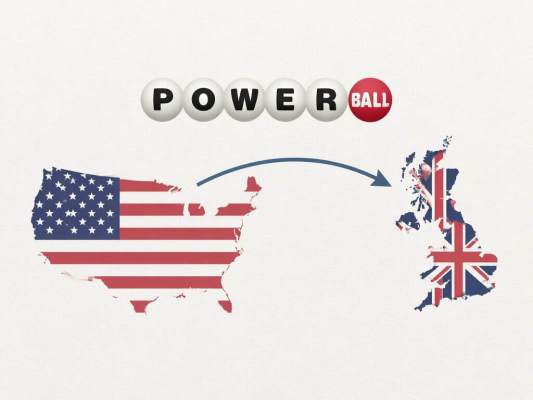
The Powerball jackpot is set to become even more enticing — and potentially harmful to some players — under a plan to expand the game to the United Kingdom sometime in summer 2026.
It’s the first time the U.S.-based lottery game will be offered outside the country, potentially fueling even larger jackpots. U.K. players will be able to play for the same grand prize available to Americans.
On April 14, the Multi-State Lottery Association, operator of Powerball, announced a partnership agreement with Allwyn U.K., operator of the U.K. National Lottery.
Pooling U.K. Players
Under the deal, the number of lotteries pooling funds for the Powerball jackpot will increase from 48 U.S. lotteries to 49 with the addition of the U.K.
The U.K. is home to approximately 70 million people, which provides an enormous boost to the game’s U.S. player base.
With this expanded player base, Powerball expects its jackpots to grow more quickly. For U.S. players, ticket costs and jackpot odds won’t change.
The odds of winning the top jackpot will remain at 1 in 292.2 million, for players in both countries.
More Billion-Dollar Prizes?
The Powerball has had seven jackpots surpassing $1 billion, including a record $2 billion prize in 2022. All have occurred within the last decade.
According to Powerball, the U.K. expansion aims to “strengthen the long-term sustainability of the game.”
The lottery group will continue to hold drawings in Florida three times per week.
Powerball Problem Gambling
Research suggests that at the population level, Powerball isn’t as harmful as so-called instant games like scratch-offs.
The reason is that the game’s intermittent reinforcement is weaker. The odds of winning a prize from a Powerball drawing are 1 in 25, with astronomical odds of winning life-changing money.
Nonetheless, large jackpots can trigger problem gambling among lottery players. The bigger the jackpots get, the more media attention they receive.
Some players experience financial and emotional hardship in an attempt to win life-changing money.
A 2006 survey found that one-fifth of Americans (21%), and 38% of those with incomes below $25,000, thought that winning the lottery represented the most practical way for them to accumulate several hundred thousand dollars in wealth.
There is no reason to believe those troubling figures have improved in 20 years.