So-called “prediction markets” don’t vibe with Abraham Lincoln.
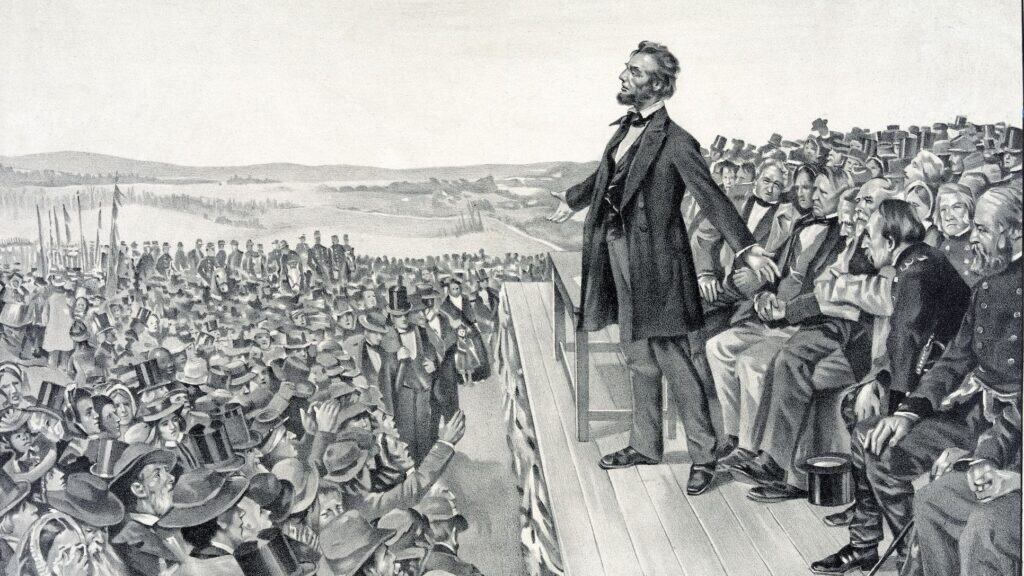
Many people, including a former Illinois governor, have attributed the following quote to the 16th U.S. president: “The best way to predict the future is to create it.”
There’s actually no evidence he said those exact words, so it appears to be a rough paraphrasing of America’s beloved “Honest Abe.” This mindset is probably ancient, and the origins of such a remark or something similar can’t be attributed to any one person.
Nonetheless, it aligns with what you would expect of a president navigating the U.S. Civil War in the 19th century. You can’t foresee what’s going to happen, so you have to realize your agency and act. Don’t dwell on trying to predict everything. Carpe diem, basically.
Few people will ever have the agency of a U.S. president, but creating the future instead of wasting lots of time trying to anticipate it is generally a useful frame of mind.
Prediction markets, the latest U.S. online gambling gold rush, market themselves as essentially the antithesis of this mentality. “The world’s gone mad, trade it,” said a viral Kalshi commercial earlier this year. “[Prediction] markets on everything,” Polymarket founder Shayne Coplan said following the owner of the New York Stock Exchange investing $2 billion into his company.
The growing army of prediction market influencers on social media is truly something to behold. Many of them discuss mundane or ordinary aspects of their lives as if they require a prediction. I think some of them would love it if Uber allowed in-app betting on how long deliveries take. There is quite a bit of engagement farming, but prediction market culture is not entirely a joke.
These company slogans would be unremarkable if prediction markets weren’t attempting to be some sort of cultural tour de force. They want to become sources of “truth” — a way of looking at the world in the form of crowd-sourced probabilities. A classic example is that they aim to replace public opinion polls, but their ambitions are much bigger.
The news as an asset class. “Spectacle” and “speculation” do share a root.
Their skyrocketing valuations appear to reflect their potential cultural significance as a new form of alternative media. Fueled by an investment from a firm belonging to the sitting president’s son, Polymarket could soon be worth up to $15 billion, while Kalshi appears to be quickly catching up with a valuation of about $10 billion. Others, such as DraftKings and President Donald Trump’s Truth Social, are planning new prediction market products.
Prediction markets are a symptom of the times.
A great many people are isolated and atomized. It has reached “epidemic” levels, according to a 2023 report from the U.S. Surgeon General. Of course, the government was late to this realization.
Huge swaths of society appear to feel a pervasive sense of powerlessness to positively impact the world. We’re riding in the passenger seat to a rapidly changing world that we can’t predict. But we know things are not looking good.
For many people, a crisis is already here.
The nascent prediction markets aren’t revolutionary or innovative in helping make people docile. Arguably, they are just the latest form of content to keep us doomscrolling — and now gambling on it.
But they appear to be precisely the opposite of whatever it is we need.
Could their information or insights spur decisions or actions in a way that positively impacts society as a whole in the long term? This is wishful thinking.
If he were alive today, Lincoln probably would not be a “trader” — certainly not of Polymarket’s U.S. Civil War II betting market. Perhaps he’s rolling in his grave right now.
Discover more from GamblingHarm.org
Subscribe to get the latest posts sent to your email.