
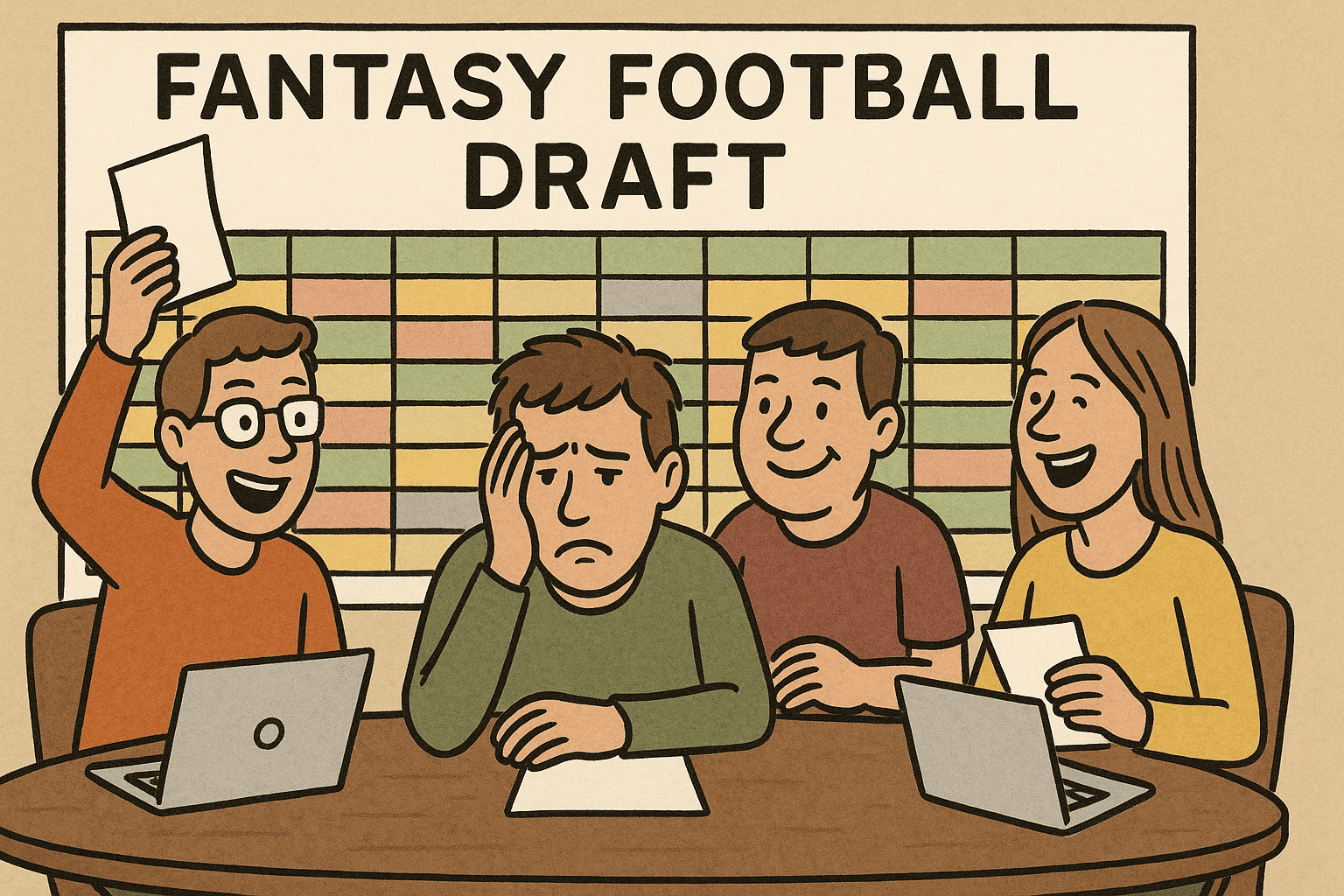
Playing fantasy football for money is gambling, and it can cause you to develop a problem or relapse from a previous gambling addiction.
Sports betting comes in various forms, including traditional bets with an app like DraftKings and fantasy football leagues with people you know.
Betting apps are designed to be habit-forming, so millions of people in the U.S. have developed problems with their gambling. To make matters worse, celebrities such as LeBron James endorse risky NFL gambling.
American consumers lost billions on the NFL in 2024, with many people having quit using sports betting apps and seeking addiction treatment.
Continuing to follow the NFL can be difficult for people who develop a problem with betting apps. The challenges include watching games with friends and participating in fantasy football.
Fantasy football leagues often involve an entry fee, or stake, to participate. Prize money is paid out to the fantasy league’s top performers. This fits the definition of gambling.
You or someone you know might be wondering whether they should continue to play fantasy football after developing an addiction to traditional sports betting apps.
This article will explain what to consider.
Fantasy Football Gambling Problem
Gambling Harm created a hypothetical example of someone wondering whether they should continue to play fantasy football after developing an NFL football betting problem.
Let’s take a look at what someone might be wrestling with on this topic:
Hello Gambling Harm,
It’s been over 10 months since my last sports bet. I’ve been going to Gamblers Anonymous (GA) regularly for about seven months and taking my recovery seriously.
I’ve played in a fantasy football league for the last eight years, and our entry fee is $150. I don’t play in the league to necessarily win money. My motivation is more about staying connected to old friends whom I normally wouldn’t talk to without the fantasy league.
I think mental health professionals and GA would consider it gambling, but I’m conflicted about continuing to participate. It’s one thing if it were a daily fantasy contest (DFS) with strangers, with the hope of winning money.
Here are two ideas I have to continue playing in the fantasy football league:
- Pay the entry fee, and if I win, I won’t keep the money as gambling winnings.
- Not paying the $150 fee and being excluded from the pot. However, I’m not sure if other league members would like that. For some of them, money may be more important.
My wife asked if fantasy football is gambling, and it made me think. I never thought about it until now, and I was looking forward to draft weekend (an out-of-town trip with old friends) every year.
Is Fantasy Football Gambling?
Fantasy football is gambling if it involves risking anything of value for the chance to win something else of value.
This includes fantasy football leagues with strangers or friends and daily fantasy sports apps.
Fantasy football is a form of sports betting.
The addiction risks of fantasy football depend on the type of fantasy football. DFS, such as PrizePicks, can be much more addictive than a season-long fantasy league, but it’s not the case for everyone.
Season-long leagues typically have just a single entry fee at the start of the season, which caps your potential losses. Still, these leagues can encourage compulsive checking and serve as a launch pad or gateway to other more destructive forms of sports gambling.
Some season-long fantasy leagues have buy-in amounts that are problematic for a participant’s finances. Losing the buy-in can cause severe negative emotions.
Can Gambling Addicts Play Fantasy Football?
It depends on the severity of your sports betting addiction.
Unfortunately, the correct decision usually is to stop playing fantasy football if you developed an addiction to sports betting on things like props, spreads, moneylines and so on.
Fantasy football is significantly different, but if your league charges an entry fee, it is gambling and could undermine your recovery and increase the chances of relapse.
That said, if you feel comfortable telling people in your fantasy football league that you are in recovery from problem gambling, you may be able to play without risking money.
If your friends, family or coworkers agree to let you play without paying the entry fee, and thus ineligible for winning money, you may be able to play without serious issues.
Still, your peers in the fantasy league will be competing for prize money, and you could be exposed to potential triggers for your gambling problem.
Read more: Two-Thirds Of NFL Bettors Report Losing Too Much
Fantasy Football and Mental Health
Playing fantasy sports for money can worsen your mental health.
A 2024 fantasy football mental health study from Queen Mary University of London found that the game can hurt the well-being of players.
The research surveyed 635 active fantasy football (fantasy soccer) players, focusing on factors such as the number of cash-prize leagues entered, level of engagement, and player comparison habits. Those involved in the most cash-prize leagues reported the highest levels of mental health concerns, including stress and anxiety.
Players who reported high overall engagement with fantasy football—spending more time managing their teams, researching, and tracking scores—were also more likely to experience mental health issues than less engaged participants.
Additionally, the study found that regularly checking how one’s fantasy team stacked up against others was linked to a higher number of mental health concerns.
The findings suggest that while fantasy football can be an enjoyable social activity, excessive engagement and high-stakes play may increase the risk of negative mental health outcomes.
How to Quit Fantasy Football
If you’re in the middle of a league season, it’s usually best to finish what you’ve started. However, if you are dealing with a gambling problem, you should quit as soon as you can.
It may be difficult for other members of your league to understand or sympathize with your gambling problem, but the most important thing is your recovery.
For mid-season quitting, be transparent with your commissioner so they can replace you or manage your team. Tell your league commissioner directly, rather than ghosting.
Remove Temptations
Once you’ve quit, remove triggers that might pull you back in:
- Unsubscribe from fantasy football email updates.
- Delete fantasy football apps from your phone.
- Unfollow fantasy sports accounts on social media.
- Mute league group chats if you’re still in them for social reasons.
Find New Activities
Fantasy football can take up significant time and mental energy. Replace it with activities that can provide similar enjoyment or connection:
- Join a casual sports league in real life.
- Start a new hobby that engages your competitive side..
- Spend Sundays with family, friends, or on non-football-related activities.
Set Boundaries
If you’re not quitting forever but just taking a break, set clear boundaries before returning:
- Play in free leagues only.
- Limit yourself to one team.
- Choose leagues with low-maintenance formats to reduce time pressure.
- Be transparent about your gambling problem with people you trust
You have the power to quit or take a break from sports gambling, including fantasy leagues.
Related: Is NFL Preseason Betting A Sign Of Problem Gambling?
Related: The NFL Is Rigged: The Golden Age Of Gambling Conspiracy Theory?