
A Michigan judge has issued a stronger ruling that, for now, bans Kalshi from offering sports betting in the state.
The judge issued a preliminary injunction blocking Kalshi from offering sports-event contracts and, in doing so, blasted the prediction market’s impact on young people and those experiencing gambling harm.
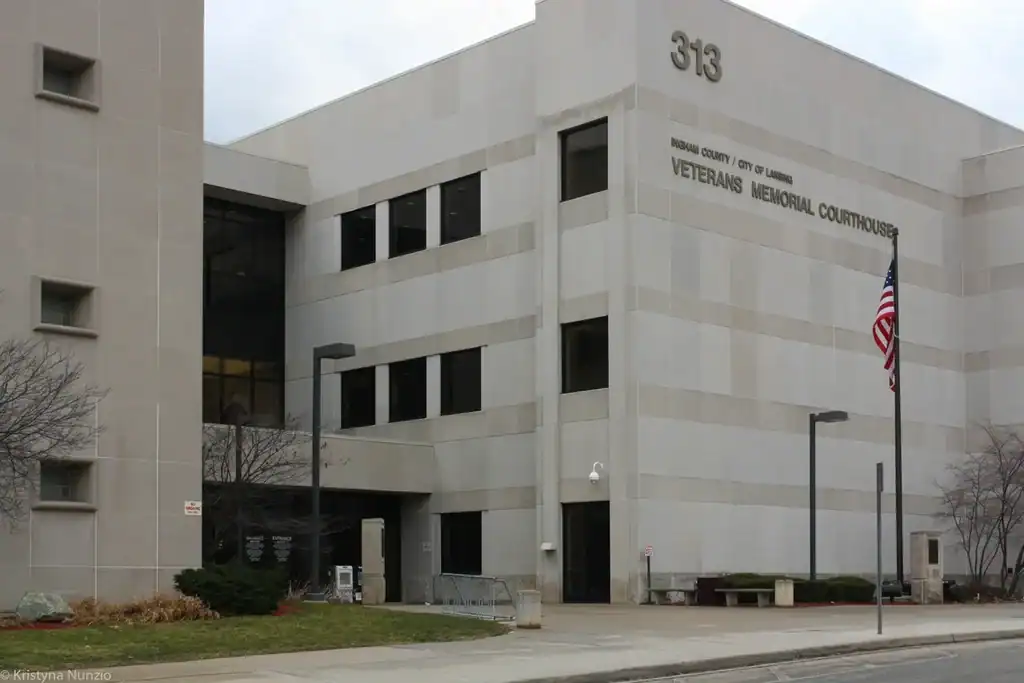
Ingham County Circuit Judge Rosemarie Aquilina signed the order Sept. 1, replacing a temporary restraining order issued against Kalshi in June.
The Michigan injunction, which follows a federal court defeat for Kalshi at the U.S. Ninth Circuit, will remain in effect until a final order is entered in the case. The legality of Kalshi’s sports betting could reach the U.S. Supreme Court.
Judge Lays Into Kalshi
Judge Aquilina said Kalshi, which offers stock-market-style betting, functionally resembles a sportsbook “masquerading as an investment opportunity.”
Without court intervention, the judge said, Michiganders would suffer immediate and irreparable harm.
The judge specifically pointed to mental health concerns, saying the potential harm to Michigan youth would be “profound.” Kalshi recently invested $2 million into the National Council on Problem Gambling.
Michigan Attorney General Dana Nessel sued Kalshi earlier this year, alleging the prediction market is offering illegal sports gambling. The City of Detroit also chimed in, calling prediction markets “bloodthirsty leeches.”
In a statement on Sep. 2, Nessel celebrated the injunction:
“Kalshi long attempted to pass itself off as a legitimate gaming operation in our state, and I am relieved that this order further protects Michigan residents from its predatory, unlicensed practices. My office will continue to defend Michiganders and enforce our gaming laws, which ensure gambling revenue is regulated and distributed back into our communities.”
$500K Daily Fine Possible
Under the injunction, Kalshi is banned from offering, facilitating, or advertising sports-event contracts to Michiganders.
The order explicitly covers products that are functionally similar to traditional sports betting. These markets include moneylines, parlays, over/unders, proposition bets, and in-game bets.
Kalshi must also use a third-party geolocation provider licensed by the Michigan Gaming Control Board to prevent people inside Michigan from accessing the prohibited markets.
If the court determines Kalshi failed to comply with those geolocation requirements, the company must pay $500,000 for each day of noncompliance.
According to gaming attorney Daniel Wallach, Michigan is also pursuing disgorgement.
Bottom Line
The ruling is not a final decision on Michigan’s lawsuit against Kalshi.
Even so, the preliminary injunction represents a significant victory for the state.
Meanwhile, courts around the country continue weighing whether prediction markets can use federal commodities law as a loophole around state gambling laws.
For now, all Americans should know that prediction markets carry risks of financial and addiction harm.