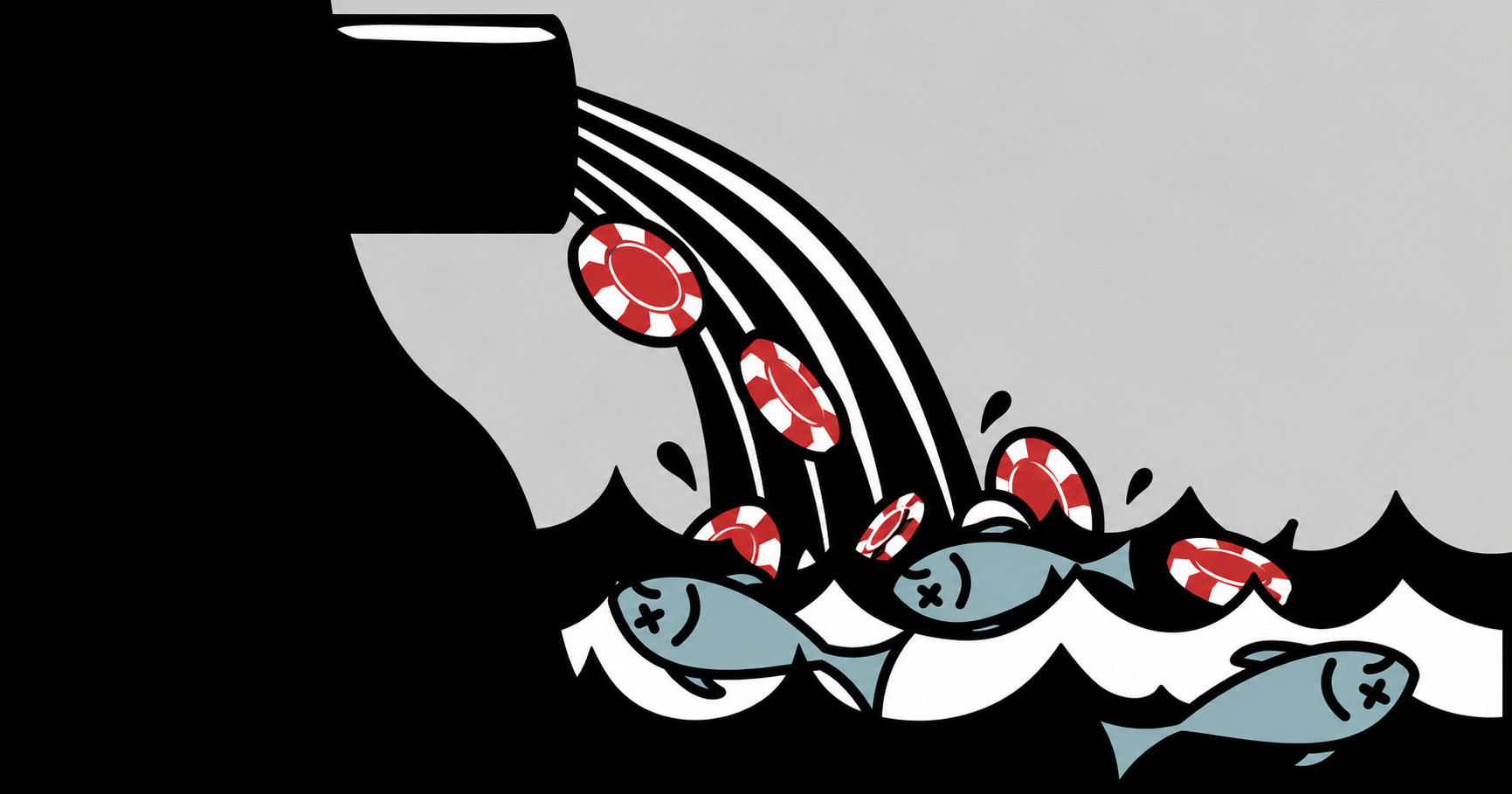
Opponents of a planned casino in New York City say the project sits on a floodplain and could worsen toxic sewage and stormwater overflow during intense storms. They say the city has not properly addressed these environmental and public health risks. Meanwhile, the casino developer disputes those claims.
The Queens Anti-Casino Group announced in a letter that it is asking the city’s Public Design Commission to vote “no” on Oct. 20 on preliminary approval for Metropolitan Park’s casino and hotel towers.
Public health concerns about casinos typically center on gambling addiction and the associated trauma to families and communities. In Queens, opponents also warn that the casino could worsen environmental hazards and expose nearby residents to contaminated floodwaters.
Why It’s a Grave Concern
Environmental objections to the casino don’t come only from anti-casino activists.
A January 2026 City Limits investigation also examined the potential environmental hazards of building the casino on the flood-prone site. Moreover, an NYC Department of Environmental Protection document from a decade ago described combined sewer overflow discharges into Flushing Bay, underscoring risks associated with the area.
The casino developers have proposed elevating indoor facilities and incorporating landscaping designed to absorb excess stormwater. However, environmental advocates have questioned these mitigation plans.
Activists are demanding more detailed plans. GamblingHarm.org’s initial request for comment from the Metropolitan Park casino project wasn’t immediately returned.
Metropolitan Park’s Response (Updated)
Karl Rickett, spokesperson for the project, told GamblingHarm.org in a statement:
“For over 80 years, this area has been nothing but parking lots. Metropolitan Park will finally transform this asphalt into 25 acres of actual public park space and help to address the climate issues facing the area. Environmental advocates, unions, elected officials, and the local community all overwhelmingly support Metropolitan Park.”
The Waterfront Alliance endorsed the project and saying they “strongly supports one of the most forward-thinking, climate-resilient, public-private partnerships currently in New York City, a project that will bring solutions to the most climate-threatened of all New York City parks; Flushing Meadows, Corona Park.”
Rickett added that the project’s “climate resiliency plan” includes “converting impermeable asphalt to landscaped open space that supports water retention, prevents runoff and reduces the urban heat island effect.”
He said hundreds of trees will be planted, while stressing that the development will be “well above the existing grade and out of the floodplain.”
What’s At Stake
The latest protest is part of a years-long struggle against billionaire Steve Cohen’s project, planned for a location adjacent to Citi Field, home of his New York Mets. Major League Baseball is a major sponsor of gambling.
The reported $8 billion project, to be developed with Hard Rock Entertainment, was slated to open in June 2030. However, the Queens Daily Eagle reported in May that the casino was already five months behind schedule.
Vibrant, widely attended anti-casino protests show strong opposition, and polling points the same way. The project appears controversial among residents, according to a poll The Guardian cited in July. For every one likely Democrat voter in the area who supported Cohen’s casino, three opposed it. Opposition is even fiercer among Asian-Americans, as activists have long argued the casino will prey particularly hard on this group of people.
Rickett, the project’s spokesperson, told GamblingHarm.org that “two polls by Schoen Cooperman Research in May 2023 and March 2024 found overwhelming support among Queens residents (78% and 80% respectively) for Metropolitan Park and its core features.”
Right now, activists are focused on the project’s site.
“As the city’s design review agency, the Commission has jurisdiction over permanent structures and landscape architecture on city-owned land. Metropolitan Park cannot begin casino construction until they receive final approval from the Commission,” the group said in a press release asking for a “no” vote.
Climate Change Factor
An unpredictable climate future makes the project especially dangerous, activists stressed. The floodplain is in the center of communities affected by climate injustice, the group said.
According to local activists, intense storms send polluted stormwater and sewage into Flushing Bay and into the roads and basements of surrounding communities. They wrote:
“Instead of building climate infrastructure, the city and state propose to further develop the area, adding a massive casino, entertainment venue, and up to 2,300 hotel rooms, which would further overwhelm our infrastructure.
Our communities experienced five historic floods over the last several months from intensifying storms due to climate change. The Metropolitan Park team has not demonstrated to the public how they will mitigate the environmental impacts in this changing reality. The Public Design Commission should use every tool within its jurisdiction to require transparency.”
Activists demanded an environmental impact study “due to changing environmental circumstances and require detailed stormwater flow and drainage plans from Metropolitan Park for public input.”
Public Input
In the letter to the commission, activists wrote that “Over the last few months, we have been heartened by your advocacy on behalf of the public.”
Activists described the process as opaque before Mayor Mamdani took office in January 2026:
“The Public Design Commission granted preliminary approval with conditions to Metropolitan Park’s Master Plan on October 21, 2025, to help developers meet the Gaming Facility Location Board’s entitlements deadline of November 17.
The approval centered the developers, not the public. During the public testimony portion, only 4 people were able to testify. Public hearings held during working hours with 7 days of notice and only 4 people able to testify against a backdrop of thousands in opposition cannot accurately represent public input.”
The group outlined a list of “minimum standards for meaningful public review,” including the right to speak uninterrupted for three minutes so that public concerns can be heard clearly.